Packaging services for rope, mesh, wire and cable companies worldwide.


The difference between European standard pallet and national standard pallet
Release time:
Jul 19,2024
There are significant differences between European standard pallets and national standard pallets in many aspects, which are mainly reflected in standard formulation, size specifications, material and anti-corrosion treatment, load-bearing capacity, application scenarios and international recognition.
There are significant differences between European standard pallets and national standard pallets in many aspects, which are mainly reflected in standard formulation, size specifications, material and anti-corrosion treatment, load-bearing capacity, application scenarios and international recognition.
1. standard formulation
- European standard trayFollow the standards formulated by the European Organization for Standardization (CEN), with unified size and specification requirements, in line with international standards.
- GB tray: Follow the standards set by the the People's Republic of China National Standardization Administration Committee (SAC) and apply to domestic transportation and storage.
2. Dimensions
- European standard tray: Usually 1200800mm (also 12001000mm and 11401140mm and other specifications, but 1200800mm is the most commonly used) size standard, in millimeters.
- GB tray: Common dimensions include 12001000mm、11001100mm、10001000mm and 1200800mm, etc., in centimeters. Therefore, in actual production, there will be some differences in size between the two.
3. material and anti-corrosion treatment
- European standard tray: Various materials, including pine, spruce, oak, etc., and more heat treatment for anti-corrosion treatment, in line with ISPM15 standards, to ensure environmental protection and safety.
- GB tray: more use of pine or fir and other materials, anti-corrosion treatment using chemical methods, to meet the relevant national standards such as GB/T 15234.
4. load-bearing capacity
- Generally speaking, the load-bearing capacity of the European standard pallet is higher than that of the national standard pallet. This is because the European standard tray in the design and manufacturing process, the material and process have more stringent requirements, thus ensuring its higher carrying capacity and stability.
5. Application Scenarios
- European standard tray: Because of its unified specifications, reliable quality, and high international recognition, it is widely used in international trade and domestic and foreign logistics and transportation, especially in the fields of electronics, food, chemical, medicine and manufacturing.
- GB tray: Mainly suitable for domestic transportation and storage, with the advantages of low cost, multiple specifications, and wide application. It plays an important role in domestic logistics warehousing, internal transportation and production and processing.
6. international recognition
- European standard tray: Because its specifications and standards are in line with international standards, it is widely recognized and used in international trade and logistics, facilitating cross-border transportation and exchange.
- GB tray: Mainly used in the domestic market, its international recognition is relatively low.
In summary, there are obvious differences between European standard pallets and national standard pallets in terms of standard formulation, size specifications, material and anti-corrosion treatment, load-bearing capacity, application scenarios, and international recognition. When choosing a tray, it should be considered comprehensively according to actual needs and usage scenarios.
Previous
Next
Previous
Next
News
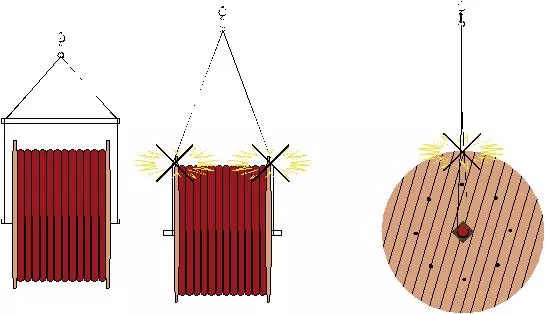
Understanding Large Wire Carrier Spools: Essential Insights for Efficient Electrical Projects
Large wire carrier spools are essential components used to store and transport various types of wire and cable. Their design allows for efficient handling and organization, especially when dealing with bulky or heavy wiring. Utilizing these spools can significantly enhance the workflow on electrical projects by minimizing downtime and improving safety. One of the primary benefits of large wire car

Top Tips for Storing and Managing Your Corrugated Wire Spools
Top Tips for Storing and Managing Your Corrugated Wire Spools Table of Contents Introduction to Corrugated Wire Spools Importance of Proper Wire Storage Best Practices for Storing Corrugated Wire Spools Ideal Storage Environment Organizing Your Wire Spools Effectively Managing Corrugated Wire Spools in the Workspace En
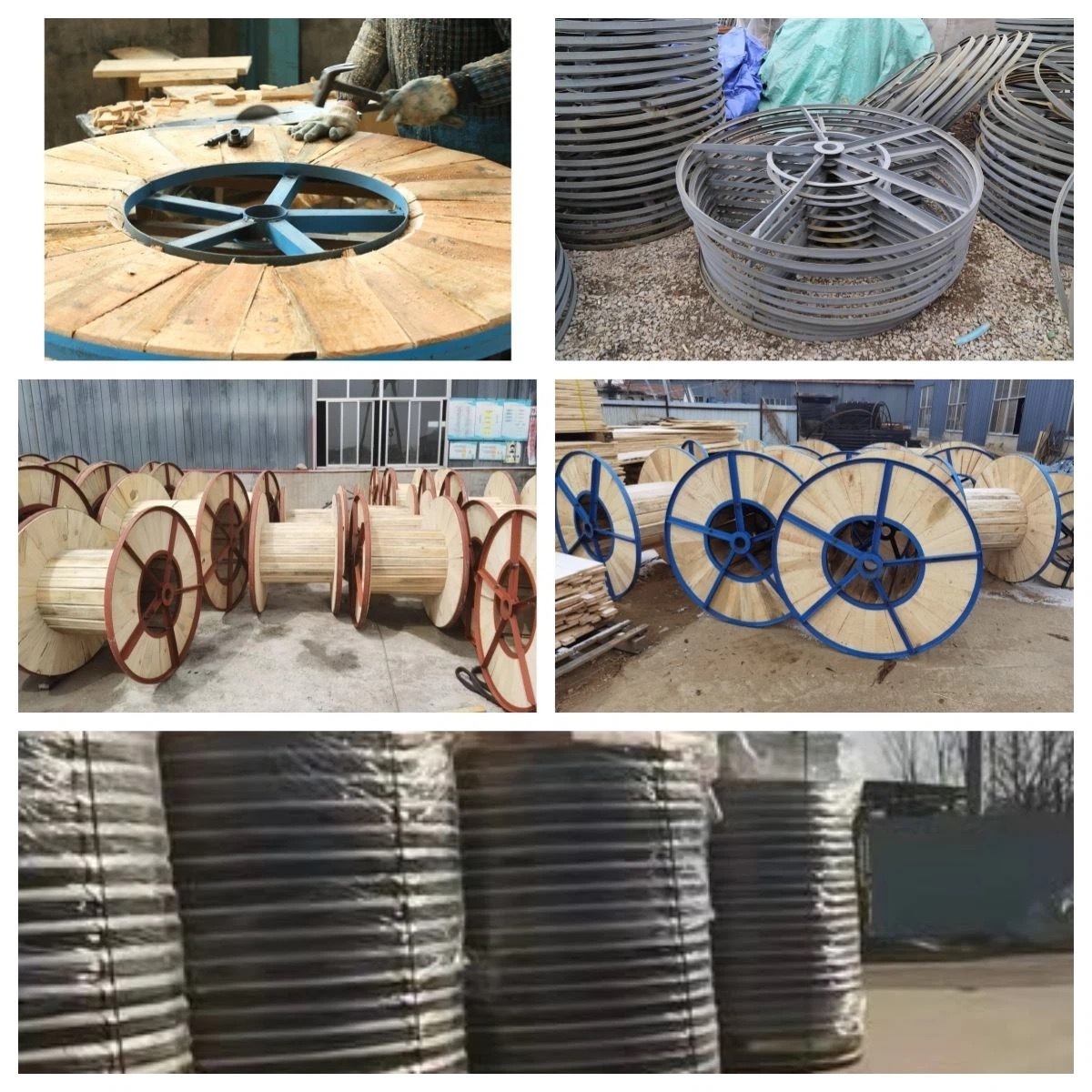
Understanding Wooden Drums for Cable Storage and Transportation
In the electrical industry, the efficient handling of cables is crucial for ensuring smooth operations and project success. One of the key components that facilitate the storage and transportation of cables is the wooden drum. These drums are specifically designed to hold various types of cables securely while providing ease of movement and accessibility. Wooden drums are typically made from high-

Maximize Efficiency with the Right Cable Drum Roller for Electrical Applications
Maximize Efficiency with the Right Cable Drum Roller Table of Contents 1. Introduction to Cable Drum Rollers 2. Types of Cable Drum Rollers 3. How to Choose the Right Cable Drum Roller 4. Features to Consider When Selecting a Cable Drum Roller 5. Installation Tips for Cable Drum Rollers 6. Maintenance and Care for Longevity 7. Safety Considerations when Using Cable Dru
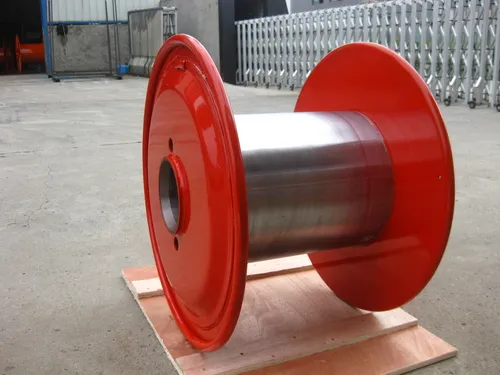
Understanding Wire Packaging Spools: Essential Insights for Electrical Professionals
Wire packaging spools play a vital role in the electrical and cable industry, serving as the primary method of organizing and transporting wires. These spools are designed to protect the integrity of the wire during storage and transportation, ensuring that it remains untangled and in optimal condition. Typically manufactured from materials such as plastic, metal, or cardboard, wire packaging spoo

Professional Cable Management Solution with welding cable reel
best welding cable reel spots provides an effective solution for maintaining organized, safe, and efficient welding operations.
Contact Us
Telephone: +86-187-6548-6789
WhatsApp: +86-139-5388-5161
E-Mail: boss@sdtsgm.com
Address: Qiujiadian industral Park, Qiujiadian Town,Taishan District, Tai'anCity, Shandong Province
Share to