Packaging services for rope, mesh, wire and cable companies worldwide.


Unraveling the Mysteries of Plastic Wire Drums: Common Questions Answered
Release time:
Feb 09,2025
Discover everything you need to know about Plastic Wire Drums, from their benefits to common FAQs, in this engaging guide.
Introduction
Have you ever found yourself tangled in the confusion surrounding Plastic Wire Drums? You're not alone! These handy tools are essential for various industries, and yet, many folks aren't quite sure what they're all about. In this article, we’ll dive into the world of Plastic Wire Drums, tackling some of the most common questions that pop up. So, buckle up and let's get started!
What Exactly Are Plastic Wire Drums?
First things first—let’s break it down. Plastic Wire Drums are cylindrical containers designed to hold wire, cable, or similar materials. They’re typically made from durable, high-quality plastic, making them lightweight yet sturdy. Not only do they keep your wires organized, but they also protect them from environmental factors like moisture and dust. Pretty nifty, huh?
Why Choose Plastic Over Other Materials?
Good question! You might be wondering why someone would opt for plastic rather than, say, a metal wire drum. Well, here’s the scoop: Plastic Wire Drums are not only lighter, but they’re also resistant to corrosion and rust. Plus, they’re often more affordable! If you’re looking to save some bucks while ensuring durability, plastic is the way to go.
How Do I Choose the Right Size?
When it comes to selecting the right size of Plastic Wire Drums, it’s crucial to consider the amount of wire you need to store. Remember, not every wire drum can handle the same load! A standard rule of thumb is to opt for a drum that can accommodate at least 10% more than your current wire quantity. This way, you won’t find yourself in a sticky situation later on!
What Are the Typical Applications?
You might be surprised to learn that these versatile drums have a wide range of applications! From telecommunications to electrical installations, Plastic Wire Drums are everywhere. They’re also used in construction, manufacturing, and even for DIY projects at home. If you’ve got wires to store, chances are, there’s a Plastic Wire Drum that can help!
Can I Recycle Plastic Wire Drums?
Absolutely! One of the best aspects of using plastic is its recyclability. Many manufacturers are now producing eco-friendly drums that can be recycled after use. Just check with your local recycling guidelines to see how to dispose of them properly. It’s a great way to contribute to reducing plastic waste while still enjoying the benefits of these practical drums.
What Should I Look For When Buying?
When you’re in the market for Plastic Wire Drums, there are a few key factors to keep in mind. Look for drums that are UV-resistant, especially if they’ll be exposed to sunlight. Also, check for durability—some drums are designed to handle more wear and tear than others. Lastly, don’t forget to consider the lid! A secure lid will keep your wires safe and sound.
Final Thoughts
There you have it! Hopefully, this article has cleared up some of the fog surrounding Plastic Wire Drums. Whether you’re a seasoned pro in the industry or a newbie just starting, understanding these drums can make your life a whole lot easier. So next time you’re faced with a wire storage dilemma, you’ll know exactly what to do. Happy storing!
News
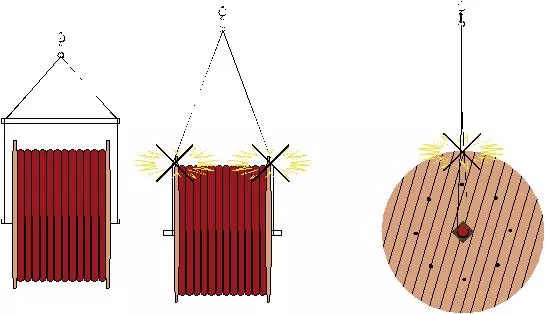
Understanding Large Wire Carrier Spools: Essential Insights for Efficient Electrical Projects
Large wire carrier spools are essential components used to store and transport various types of wire and cable. Their design allows for efficient handling and organization, especially when dealing with bulky or heavy wiring. Utilizing these spools can significantly enhance the workflow on electrical projects by minimizing downtime and improving safety. One of the primary benefits of large wire car

Top Tips for Storing and Managing Your Corrugated Wire Spools
Top Tips for Storing and Managing Your Corrugated Wire Spools Table of Contents Introduction to Corrugated Wire Spools Importance of Proper Wire Storage Best Practices for Storing Corrugated Wire Spools Ideal Storage Environment Organizing Your Wire Spools Effectively Managing Corrugated Wire Spools in the Workspace En
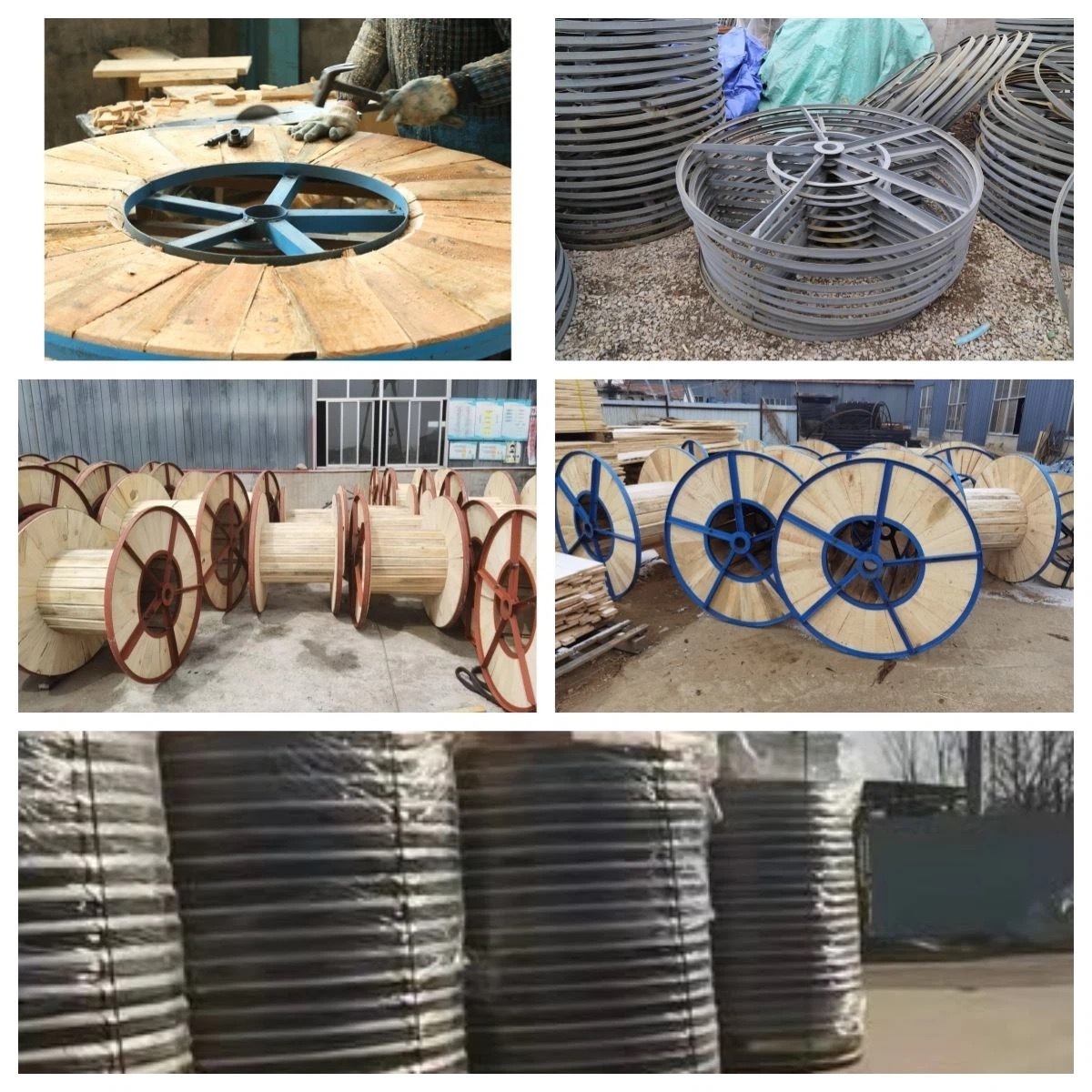
Understanding Wooden Drums for Cable Storage and Transportation
In the electrical industry, the efficient handling of cables is crucial for ensuring smooth operations and project success. One of the key components that facilitate the storage and transportation of cables is the wooden drum. These drums are specifically designed to hold various types of cables securely while providing ease of movement and accessibility. Wooden drums are typically made from high-

Maximize Efficiency with the Right Cable Drum Roller for Electrical Applications
Maximize Efficiency with the Right Cable Drum Roller Table of Contents 1. Introduction to Cable Drum Rollers 2. Types of Cable Drum Rollers 3. How to Choose the Right Cable Drum Roller 4. Features to Consider When Selecting a Cable Drum Roller 5. Installation Tips for Cable Drum Rollers 6. Maintenance and Care for Longevity 7. Safety Considerations when Using Cable Dru
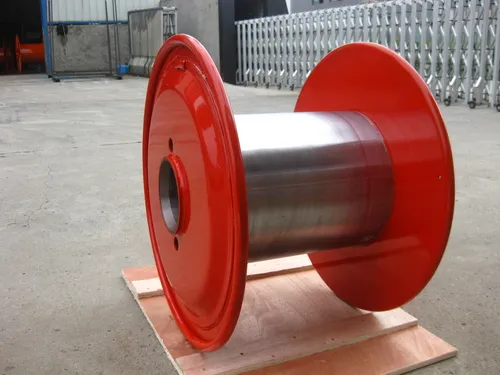
Understanding Wire Packaging Spools: Essential Insights for Electrical Professionals
Wire packaging spools play a vital role in the electrical and cable industry, serving as the primary method of organizing and transporting wires. These spools are designed to protect the integrity of the wire during storage and transportation, ensuring that it remains untangled and in optimal condition. Typically manufactured from materials such as plastic, metal, or cardboard, wire packaging spoo

Professional Cable Management Solution with welding cable reel
best welding cable reel spots provides an effective solution for maintaining organized, safe, and efficient welding operations.
Contact Us
Telephone: +86-187-6548-6789
WhatsApp: +86-139-5388-5161
E-Mail: boss@sdtsgm.com
Address: Qiujiadian industral Park, Qiujiadian Town,Taishan District, Tai'anCity, Shandong Province
Share to