Packaging services for rope, mesh, wire and cable companies worldwide.


Choosing the Right Double Layer Wire Spool for Your Needs: A Comprehensive Guide
Release time:
Aug 29,2025
Choosing the Right Double Layer Wire Spool for Your Needs Table of Contents Understanding Double Layer Wire Spools Benefits of Using Double Layer Wire Spools Key Factors to Consider When Choosing a Wire Spool Different Types of Wire Spools Material Considerations for Wire Spools Size and Capacity of Wire Spools Applications of Double Layer Wire Spools Maintenance and Storage Tips
Choosing the Right Double Layer Wire Spool for Your Needs
Table of Contents
- Understanding Double Layer Wire Spools
- Benefits of Using Double Layer Wire Spools
- Key Factors to Consider When Choosing a Wire Spool
- Different Types of Wire Spools
- Material Considerations for Wire Spools
- Size and Capacity of Wire Spools
- Applications of Double Layer Wire Spools
- Maintenance and Storage Tips for Wire Spools
- Frequently Asked Questions
- Conclusion
Understanding Double Layer Wire Spools
Double layer wire spools are designed to efficiently manage and store wire, particularly in electrical applications. These spools feature a dual-layer structure, which allows for increased wire capacity without compromising the ease of unwinding. Understanding the unique characteristics of double layer spools is crucial for selecting the right one for your specific needs.
Benefits of Using Double Layer Wire Spools
Using double layer wire spools offers numerous advantages:
1. **Space Efficiency**: Double layer spools maximize storage space by allowing more wire to be stored in a compact form.
2. **Improved Accessibility**: With the dual-layer design, users can easily access and manage wire without tangling or kinking.
3. **Enhanced Durability**: Many double layer spools are constructed from robust materials, ensuring longevity and reliable performance.
4. **Versatility**: These spools can accommodate various wire types and sizes, making them suitable for different electrical projects.
Key Factors to Consider When Choosing a Wire Spool
When selecting a double layer wire spool, several critical factors come into play:
Wire Type Compatibility
Different wire types — including copper, aluminum, and specialty wires — may require specific spool designs and materials. It is essential to ensure that the spool you choose is compatible with the wire you intend to use.
Weight Capacity
Evaluate the weight capacity of the spool, especially if you are dealing with heavier gauge wires. A spool that cannot support the wire's weight may lead to difficulties in handling and storage.
Unwinding Mechanism
Consider the unwinding mechanism of the spool. A smooth and efficient unwinding process minimizes the chances of tangling and ensures a hassle-free work experience.
Different Types of Wire Spools
Various types of wire spools are available, each designed for specific applications.
Plastic Wire Spools
Plastic wire spools are lightweight and resistant to corrosion, making them ideal for temporary applications. They offer good durability and are often used for outdoor projects.
Metal Wire Spools
Metal spools are more robust and suitable for heavier wires. They are designed for long-term use and can withstand more challenging environments, making them ideal for industrial applications.
Reel Spools
Reel spools resemble traditional spools but may feature a more complex design for specialized applications. They often include mechanisms for automatic unwinding and rewinding, enhancing workflow efficiency.
Material Considerations for Wire Spools
The material of the wire spool plays a significant role in its performance and longevity.
Plastic vs. Metal Spools
While plastic spools are lightweight and resistant to moisture, metal spools offer increased durability and strength. Your choice should depend on the application and the environment in which the spool will be used.
Environmental Resistance
Consider the environmental conditions where the spool will be used. Ensure that the material can withstand exposure to elements such as moisture, chemicals, and UV radiation.
Size and Capacity of Wire Spools
Properly sizing your wire spool is essential for optimal performance.
Diameter and Width
The diameter and width of the spool dictate how much wire can be stored. Assess your project's requirements to determine the appropriate size.
Wire Length Capacity
Different spools will have varying capacities for wire length. Make sure to choose a spool that can accommodate the total length of wire you plan to work with.
Applications of Double Layer Wire Spools
Double layer wire spools are versatile and can be applied in various settings.
Residential Electrical Projects
For DIY enthusiasts and homeowners, double layer spools offer a practical solution for managing wire during electrical installations, renovations, or repairs.
Commercial and Industrial Use
In commercial settings, these spools are invaluable for electricians and contractors needing to handle bulk quantities of wire efficiently. Their durability and ease of use enhance productivity.
Telecommunications and Networking
Double layer spools are also popular in telecommunications for managing fiber optic and data cables, where organization and accessibility are crucial.
Maintenance and Storage Tips for Wire Spools
Proper maintenance and storage of wire spools can extend their lifespan and ensure optimal performance.
Cleaning and Inspection
Regularly clean your spools to prevent the buildup of dust and debris. This maintenance will help in preserving the integrity of the spool and the wire.
Optimal Storage Conditions
Store wire spools in a cool, dry place away from direct sunlight. Ensure that they are not subjected to extreme temperatures or humidity, which could damage the spool and wire.
Frequently Asked Questions
1. What is the difference between single layer and double layer wire spools?
The primary difference lies in the capacity and design. Double layer spools can hold more wire without increasing the size, offering better organization and accessibility.
2. Can I use double layer wire spools for all types of wire?
While double layer spools are versatile, always check the spool specifications to ensure compatibility with the specific type of wire you intend to use.
3. How do I determine the right size spool for my project?
Assess the total length and gauge of the wire you need for your project and choose a spool that meets or exceeds those requirements.
4. Are there any safety precautions I should consider when using wire spools?
Always ensure that the spool is stable during use to avoid accidents. Use appropriate personal protective equipment, especially when handling heavy wire.
5. How can I improve the unwinding process of my wire spool?
Ensure that the spool is securely mounted and that the wire can freely unwind without any obstructions or tangles.
Conclusion
Choosing the right double layer wire spool is a fundamental decision that can significantly impact your electrical projects. By considering the key factors such as material, size, and application, you can select a spool that meets your needs and enhances your efficiency. With the right spool, you can ensure a smooth workflow and effective management of your wiring tasks, ultimately leading to successful project completion.
News
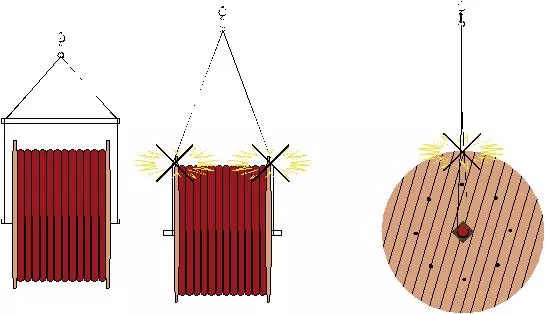
Understanding Large Wire Carrier Spools: Essential Insights for Efficient Electrical Projects
Large wire carrier spools are essential components used to store and transport various types of wire and cable. Their design allows for efficient handling and organization, especially when dealing with bulky or heavy wiring. Utilizing these spools can significantly enhance the workflow on electrical projects by minimizing downtime and improving safety. One of the primary benefits of large wire car

Top Tips for Storing and Managing Your Corrugated Wire Spools
Top Tips for Storing and Managing Your Corrugated Wire Spools Table of Contents Introduction to Corrugated Wire Spools Importance of Proper Wire Storage Best Practices for Storing Corrugated Wire Spools Ideal Storage Environment Organizing Your Wire Spools Effectively Managing Corrugated Wire Spools in the Workspace En
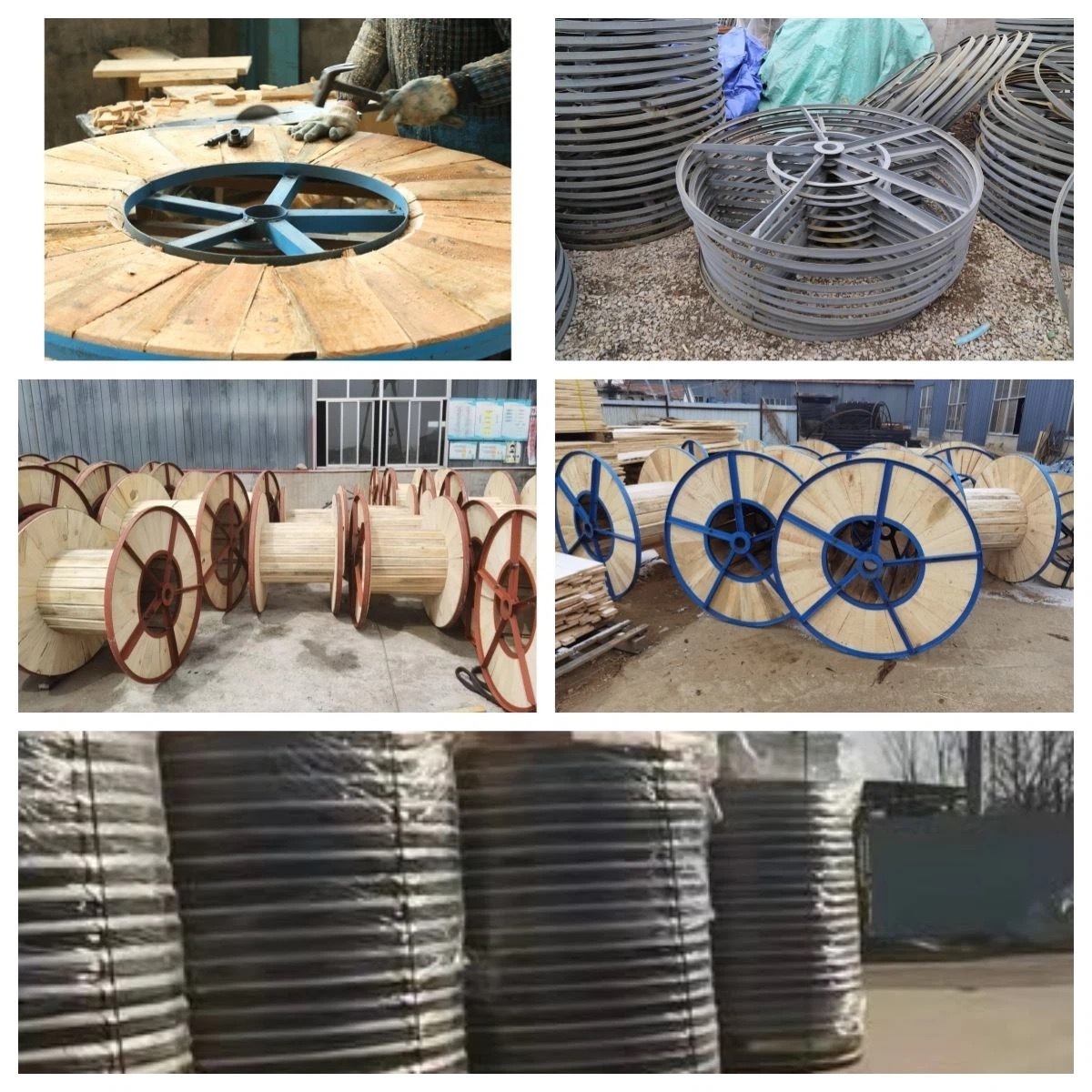
Understanding Wooden Drums for Cable Storage and Transportation
In the electrical industry, the efficient handling of cables is crucial for ensuring smooth operations and project success. One of the key components that facilitate the storage and transportation of cables is the wooden drum. These drums are specifically designed to hold various types of cables securely while providing ease of movement and accessibility. Wooden drums are typically made from high-

Maximize Efficiency with the Right Cable Drum Roller for Electrical Applications
Maximize Efficiency with the Right Cable Drum Roller Table of Contents 1. Introduction to Cable Drum Rollers 2. Types of Cable Drum Rollers 3. How to Choose the Right Cable Drum Roller 4. Features to Consider When Selecting a Cable Drum Roller 5. Installation Tips for Cable Drum Rollers 6. Maintenance and Care for Longevity 7. Safety Considerations when Using Cable Dru
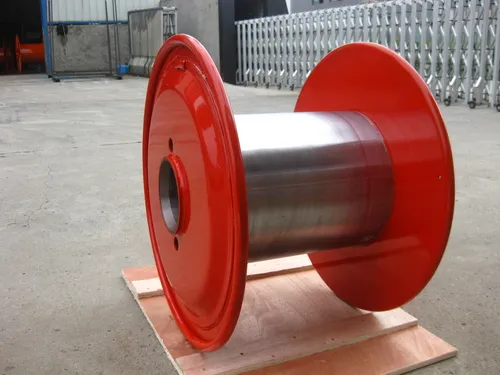
Understanding Wire Packaging Spools: Essential Insights for Electrical Professionals
Wire packaging spools play a vital role in the electrical and cable industry, serving as the primary method of organizing and transporting wires. These spools are designed to protect the integrity of the wire during storage and transportation, ensuring that it remains untangled and in optimal condition. Typically manufactured from materials such as plastic, metal, or cardboard, wire packaging spoo

Professional Cable Management Solution with welding cable reel
best welding cable reel spots provides an effective solution for maintaining organized, safe, and efficient welding operations.
Contact Us
Telephone: +86-187-6548-6789
WhatsApp: +86-139-5388-5161
E-Mail: boss@sdtsgm.com
Address: Qiujiadian industral Park, Qiujiadian Town,Taishan District, Tai'anCity, Shandong Province
Share to