Packaging services for rope, mesh, wire and cable companies worldwide.


Choosing the Right Size Flat Wire Spool for Your Electrical Tasks
Release time:
Oct 16,2025
Choosing the Right Size Flat Wire Spool for Your Electrical Tasks Understanding Flat Wire Spools: The Basics When embarking on any electrical project, selecting the right materials is paramount. Flat wire spools are essential components in various electrical tasks, from residential wiring to industrial applications. But how do you determine the correct size? This guide will walk you through esse
Choosing the Right Size Flat Wire Spool for Your Electrical Tasks
Understanding Flat Wire Spools: The Basics
When embarking on any electrical project, selecting the right materials is paramount. Flat wire spools are essential components in various electrical tasks, from residential wiring to industrial applications. But how do you determine the correct size? This guide will walk you through essential considerations to help you make the best decision.
The Importance of Selecting the Right Size Flat Wire Spool
Choosing the right size flat wire spool is not merely a matter of preference; it can significantly impact the efficiency and safety of your electrical tasks. Selecting a spool that is too small may lead to frequent interruptions for replacements, while an oversized spool can complicate handling and storage. Understanding the balance is key.
Key Factors to Consider When Choosing Flat Wire Spools
Before making a purchase, consider the following factors:
1. Wire Gauge
One of the first steps in selecting a flat wire spool is determining the **wire gauge**. The gauge indicates the thickness of the wire, which directly affects its current-carrying capacity. Common gauges for flat wire include 14, 16, and 18 AWG (American Wire Gauge). For most household projects, a 14 or 16 AWG wire is often sufficient, while heavier applications may require thicker wires.
2. Spool Capacity
Spool capacity refers to the amount of wire the spool can hold. It's crucial to assess your project's requirements accurately. If you're working on a large-scale project, a larger spool will reduce the need for frequent replacements. Conversely, for smaller tasks, a standard-sized spool may suffice. Consider the length of wire you typically use and select a spool that matches your needs.
3. Application Suitability
Different electrical tasks may require different types of flat wire. For instance, some applications may necessitate **multi-stranded wire** for flexibility, while others may require solid wire for better conductivity. Ensure that the wire type you choose matches your specific application requirements.
Types of Flat Wire and Their Uses
Understanding the various types of flat wire can further aid in your choice of spool size:
1. PVC Coated Flat Wire
PVC coated flat wire is ideal for indoor applications due to its insulation properties. It is commonly used in home wiring projects.
2. Tinned Copper Flat Wire
This type of wire is resistant to corrosion, making it suitable for outdoor applications or environments with high humidity. It’s often used in marine wiring.
3. Aluminum Flat Wire
Lightweight and cost-effective, aluminum flat wire is frequently used in commercial settings. Be aware of its conductivity, as it is lower than copper.
Measuring and Calculating Your Needs
Accurate measurement is vital to ensure you purchase the correct size. Here are some methods to effectively gauge your requirements:
1. Calculate the Project Length
Before selecting a spool, calculate the total length of wire needed for your project. This includes additional length for connections, splices, or future modifications.
2. Factor in Waste
It's essential to account for waste that occurs during cuts and installations. A good rule of thumb is to add an extra 10-15% to your initial measurement.
Common Mistakes When Selecting Flat Wire Spools
Avoiding common pitfalls can save you time and money. Here are a few common mistakes to be mindful of:
1. Overlooking Quality
Choosing the cheapest option may seem appealing, but lower-quality wire can lead to failure and safety hazards. Always opt for reputable brands.
2. Ignoring Temperature Ratings
Not all flat wires are rated for high-temperature environments. Ensure your wire can handle the conditions it will be exposed to.
3. Failing to Check Compatibility
Before purchasing a spool, verify that it is compatible with your existing electrical systems and components.
FAQs About Choosing Flat Wire Spools
1. What is the best gauge for home wiring?
For most household applications, 14 or 16 AWG wire is recommended.
2. How do I know if I need solid or stranded wire?
Solid wire is best for stationary applications, while stranded wire is ideal for flexibility.
3. Can I use aluminum wire for household wiring?
Yes, but ensure it meets local electrical codes and regulations.
4. How much wire should I buy for a typical electrical project?
It’s advisable to calculate your needs and add an extra 10-15% for waste.
5. What should I consider for outdoor wiring projects?
Use wire that is corrosion-resistant, such as tinned copper or UV-rated PVC coated wire.
Conclusion
Selecting the right size flat wire spool is a critical aspect of any electrical task. By assessing the wire gauge, spool capacity, and application suitability, you can ensure that your projects run smoothly and efficiently. Avoiding common pitfalls and calculating your needs accurately can save time and resources. Armed with this guide, you are now better equipped to make informed decisions that enhance the quality and safety of your electrical work. Always prioritize quality and compatibility to achieve optimal results in all your electrical endeavors.
News
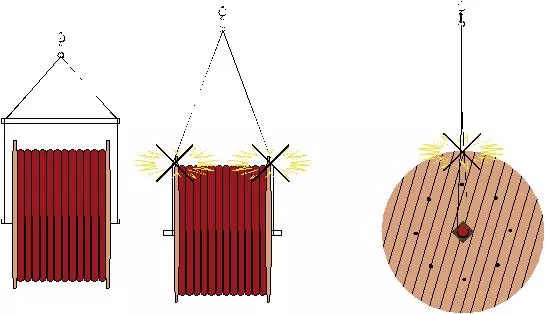
Understanding Large Wire Carrier Spools: Essential Insights for Efficient Electrical Projects
Large wire carrier spools are essential components used to store and transport various types of wire and cable. Their design allows for efficient handling and organization, especially when dealing with bulky or heavy wiring. Utilizing these spools can significantly enhance the workflow on electrical projects by minimizing downtime and improving safety. One of the primary benefits of large wire car

Top Tips for Storing and Managing Your Corrugated Wire Spools
Top Tips for Storing and Managing Your Corrugated Wire Spools Table of Contents Introduction to Corrugated Wire Spools Importance of Proper Wire Storage Best Practices for Storing Corrugated Wire Spools Ideal Storage Environment Organizing Your Wire Spools Effectively Managing Corrugated Wire Spools in the Workspace En
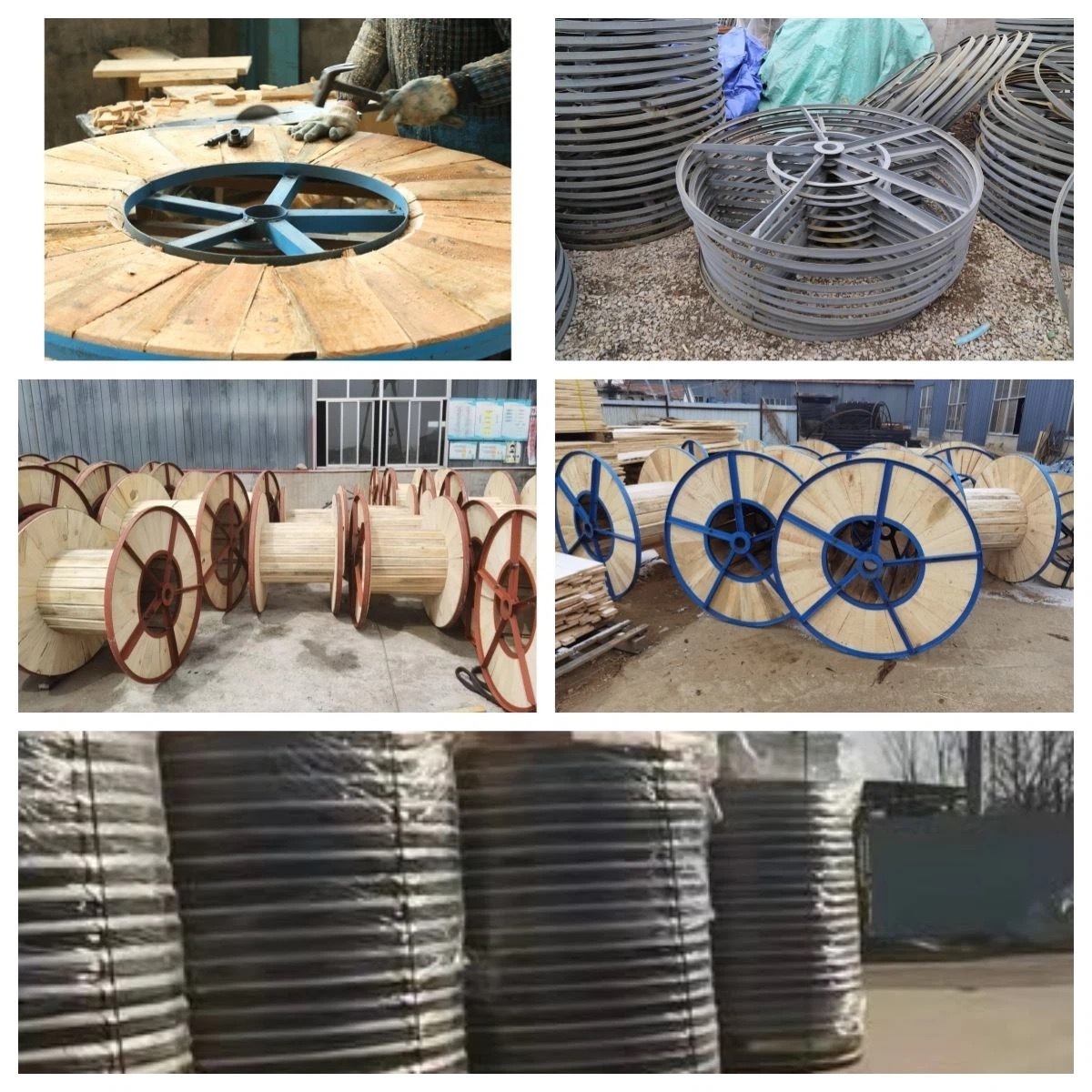
Understanding Wooden Drums for Cable Storage and Transportation
In the electrical industry, the efficient handling of cables is crucial for ensuring smooth operations and project success. One of the key components that facilitate the storage and transportation of cables is the wooden drum. These drums are specifically designed to hold various types of cables securely while providing ease of movement and accessibility. Wooden drums are typically made from high-

Maximize Efficiency with the Right Cable Drum Roller for Electrical Applications
Maximize Efficiency with the Right Cable Drum Roller Table of Contents 1. Introduction to Cable Drum Rollers 2. Types of Cable Drum Rollers 3. How to Choose the Right Cable Drum Roller 4. Features to Consider When Selecting a Cable Drum Roller 5. Installation Tips for Cable Drum Rollers 6. Maintenance and Care for Longevity 7. Safety Considerations when Using Cable Dru
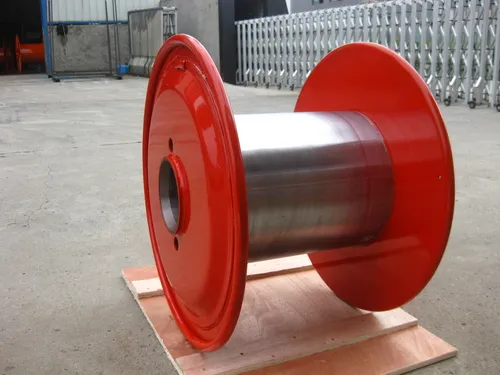
Understanding Wire Packaging Spools: Essential Insights for Electrical Professionals
Wire packaging spools play a vital role in the electrical and cable industry, serving as the primary method of organizing and transporting wires. These spools are designed to protect the integrity of the wire during storage and transportation, ensuring that it remains untangled and in optimal condition. Typically manufactured from materials such as plastic, metal, or cardboard, wire packaging spoo

Professional Cable Management Solution with welding cable reel
best welding cable reel spots provides an effective solution for maintaining organized, safe, and efficient welding operations.
Contact Us
Telephone: +86-187-6548-6789
WhatsApp: +86-139-5388-5161
E-Mail: boss@sdtsgm.com
Address: Qiujiadian industral Park, Qiujiadian Town,Taishan District, Tai'anCity, Shandong Province
Share to