Packaging services for rope, mesh, wire and cable companies worldwide.


How to Properly Maintain Your Plastic Cable Reel Drum for Longevity
Release time:
Jan 17,2026
How to Properly Maintain Your Plastic Cable Reel Drum for Longevity Maintaining your plastic cable reel drum is crucial for ensuring its longevity and reliable performance. In this detailed guide, we will walk you through various techniques and best practices to keep your cable reel drum in top shape. From routine inspections to appropriate storage methods, we will cover everything you need to ens
How to Properly Maintain Your Plastic Cable Reel Drum for Longevity
Maintaining your plastic cable reel drum is crucial for ensuring its longevity and reliable performance. In this detailed guide, we will walk you through various techniques and best practices to keep your cable reel drum in top shape. From routine inspections to appropriate storage methods, we will cover everything you need to ensure your equipment remains functional and efficient.
Table of Contents
- Introduction to Plastic Cable Reel Drums
- Benefits of Proper Maintenance
- Routine Inspections for Optimal Performance
- Cleaning Your Plastic Cable Reel Drum
- Proper Storage Techniques
- Identifying and Repairing Damage
- Best Practices for Longevity
- Frequent Issues and Solutions
- Conclusion
- Frequently Asked Questions
Introduction to Plastic Cable Reel Drums
Plastic cable reel drums are essential tools in various industries, including construction, telecommunications, and electrical work. They are designed to store and transport electrical cables efficiently. Proper maintenance of these drums not only enhances their longevity but also improves the safety and efficiency of your operations.
Benefits of Proper Maintenance
Maintaining your plastic cable reel drum offers numerous benefits:
Increased Longevity
Regular maintenance significantly extends the life of your cable reel drum, allowing you to invest in a durable product rather than frequently replacing it.
Improved Safety
A well-maintained drum prevents potential accidents caused by damaged equipment and helps you adhere to safety regulations.
Enhanced Performance
Regular inspections and cleaning keep your drum performing at its best, ensuring that cables are stored and transported without issues.
Routine Inspections for Optimal Performance
Conducting routine inspections is vital for maintaining your plastic cable reel drum. Here are some key steps to follow:
Visual Checks
Perform visual inspections every few weeks. Look for signs of wear, cracks, or deformities in the plastic. Addressing these issues early can prevent further damage.
Check the Spindle and Bearings
The spindle and bearings are crucial components of your cable reel drum. Make sure they are operating smoothly without any obstructions or corrosion.
Assess Cable Condition
Examine the cables stored on the drum. Ensure there are no kinks, frays, or other damage that could compromise their functionality.
Cleaning Your Plastic Cable Reel Drum
Regular cleaning is essential to maintain the integrity and appearance of your plastic cable reel drum. Follow these simple steps:
Gather Cleaning Supplies
You will need mild soap, warm water, a soft cloth or sponge, and a bucket. Avoid using harsh chemicals that could damage the plastic.
Wash the Drum
Using the soap and water solution, gently scrub the surface of the drum. Pay special attention to any built-up grime or residue that could affect its performance.
Rinse and Dry
Thoroughly rinse the drum with clean water to remove any soap residue. Allow it to air dry completely before storing or using it again.
Proper Storage Techniques
Storage plays a pivotal role in the longevity of your cable reel drum. Follow these guidelines to ensure proper storage:
Indoor Storage
If possible, store your cable reel drum indoors, away from direct sunlight and extreme temperatures. This helps prevent warping or degradation of the plastic.
Use Protective Covers
Consider using protective covers or tarps to shield your drum from dust and debris if it must be stored outdoors.
Keep It Off the Ground
When storing your drum, avoid placing it directly on the ground. Use pallets or shelving to prevent moisture damage from the ground.
Identifying and Repairing Damage
Sometimes, even with proper maintenance, damage may occur. Here’s how to identify and repair common issues:
Cracks and Chips
Inspect the drum for cracks or chips. Depending on the severity, these can often be repaired using a suitable plastic adhesive or epoxy.
Loose Components
Check for any loose components, such as the spindle or bearings. Tightening these parts can often restore the drum's functionality.
Replace When Necessary
If the damage is extensive or the functionality is compromised, it may be time to consider replacing the drum. Assess the cost-effectiveness of repairs versus purchasing a new unit.
Best Practices for Longevity
To ensure your plastic cable reel drum remains functional and reliable, incorporate the following best practices:
Label Your Cables
Labeling cables stored on the drum can prevent tangling and make it easier to identify issues before they become problems.
Rotate Your Cables
If you use multiple cables, rotate them regularly to ensure even wear and to prevent any one cable from becoming overly stressed.
Educate Your Team
Ensure everyone who uses the cable reel drum understands its maintenance requirements. Regular training and reminders can significantly enhance its longevity.
Frequent Issues and Solutions
Understanding common problems associated with plastic cable reel drums can help you address them proactively:
Issue 1: Cable Tangles
Solution: Implementing proper winding techniques and regularly inspecting the stored cables can help prevent tangles.
Issue 2: Environmental Damage
Solution: Always store your drum in a sheltered area and use protective covers to minimize exposure to environmental elements.
Issue 3: Wear and Tear
Solution: Regularly check for signs of wear and replace or repair damaged components promptly to avoid more significant issues.
Conclusion
Proper maintenance of your plastic cable reel drum is essential for ensuring its longevity and optimal performance. By conducting routine inspections, cleaning regularly, and implementing effective storage techniques, you can significantly extend the life of your equipment. Remember to address any damage promptly and educate your team on best practices. With minimal effort, you can keep your cable reel drum in excellent condition, helping to prevent costly replacements and enhancing the safety and efficiency of your operations.
Frequently Asked Questions
1. How often should I inspect my plastic cable reel drum?
We recommend inspecting your plastic cable reel drum at least every few weeks, especially if it is used frequently.
2. Can I use harsh chemicals to clean my cable reel drum?
No, avoid using harsh chemicals as they can damage the plastic. Use mild soap and warm water instead.
3. What should I do if I find a crack in my drum?
If the crack is minor, you can repair it with a suitable adhesive. For extensive damage, consider replacing the drum.
4. Is it necessary to label cables on the reel?
Yes, labeling your cables can prevent tangling and make it easier to identify any issues quickly.
5. How can I protect my cable reel drum from environmental damage?
Store your drum indoors, use protective covers, and keep it off the ground to minimize exposure to moisture and UV light.
News
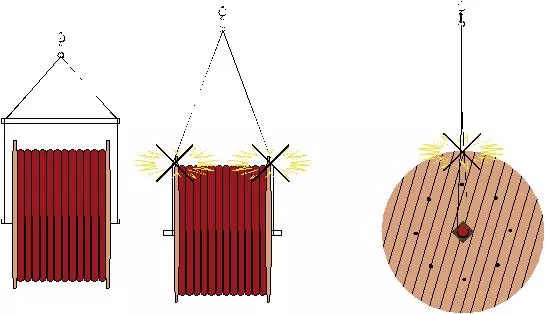
Understanding Large Wire Carrier Spools: Essential Insights for Efficient Electrical Projects
Large wire carrier spools are essential components used to store and transport various types of wire and cable. Their design allows for efficient handling and organization, especially when dealing with bulky or heavy wiring. Utilizing these spools can significantly enhance the workflow on electrical projects by minimizing downtime and improving safety. One of the primary benefits of large wire car

Top Tips for Storing and Managing Your Corrugated Wire Spools
Top Tips for Storing and Managing Your Corrugated Wire Spools Table of Contents Introduction to Corrugated Wire Spools Importance of Proper Wire Storage Best Practices for Storing Corrugated Wire Spools Ideal Storage Environment Organizing Your Wire Spools Effectively Managing Corrugated Wire Spools in the Workspace En
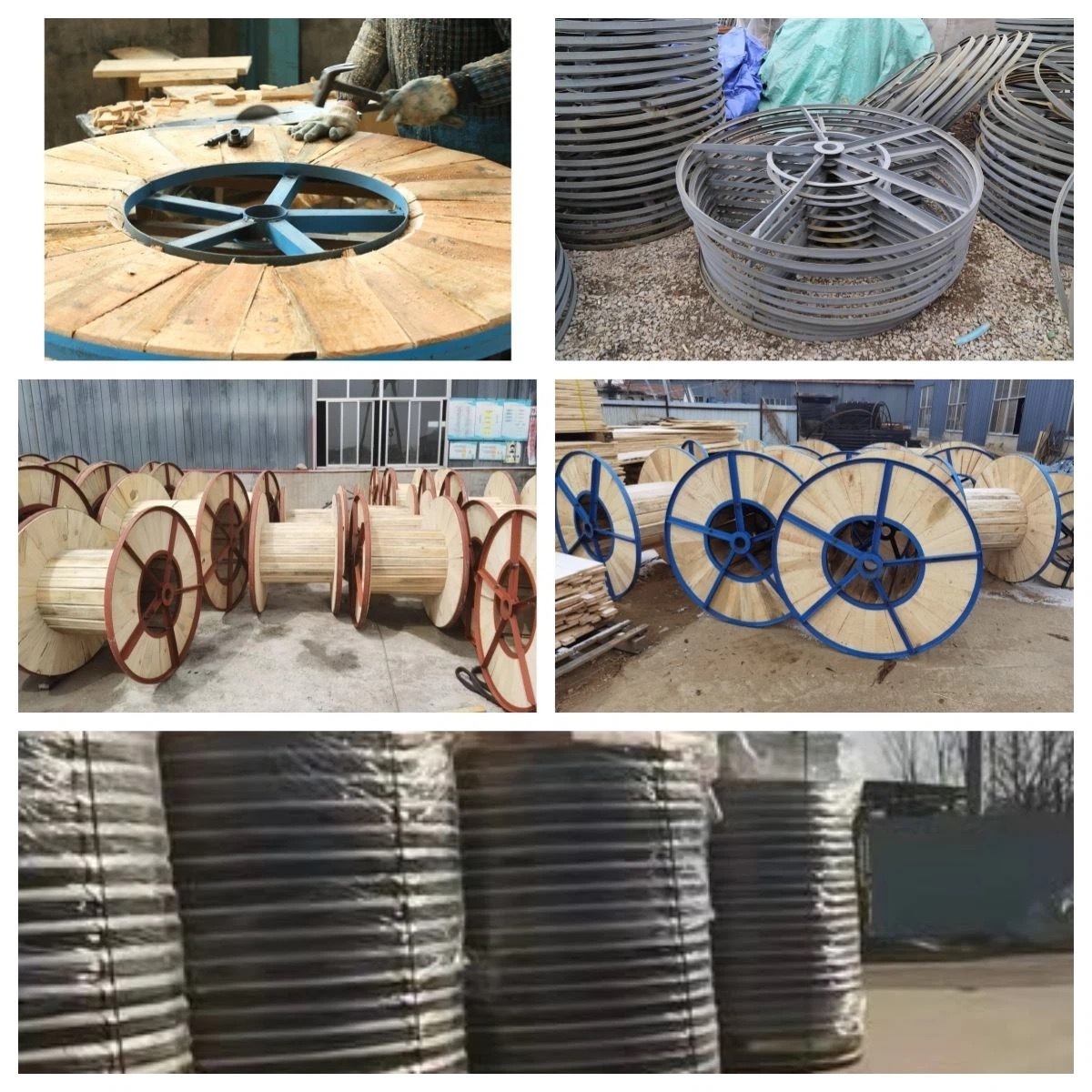
Understanding Wooden Drums for Cable Storage and Transportation
In the electrical industry, the efficient handling of cables is crucial for ensuring smooth operations and project success. One of the key components that facilitate the storage and transportation of cables is the wooden drum. These drums are specifically designed to hold various types of cables securely while providing ease of movement and accessibility. Wooden drums are typically made from high-

Maximize Efficiency with the Right Cable Drum Roller for Electrical Applications
Maximize Efficiency with the Right Cable Drum Roller Table of Contents 1. Introduction to Cable Drum Rollers 2. Types of Cable Drum Rollers 3. How to Choose the Right Cable Drum Roller 4. Features to Consider When Selecting a Cable Drum Roller 5. Installation Tips for Cable Drum Rollers 6. Maintenance and Care for Longevity 7. Safety Considerations when Using Cable Dru
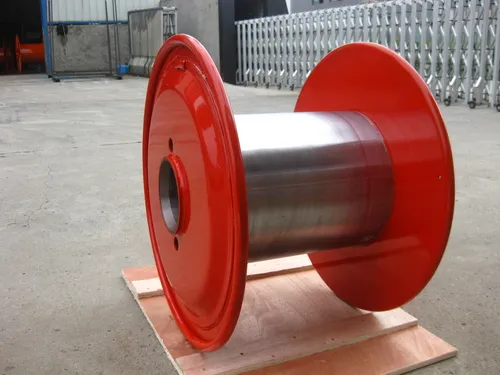
Understanding Wire Packaging Spools: Essential Insights for Electrical Professionals
Wire packaging spools play a vital role in the electrical and cable industry, serving as the primary method of organizing and transporting wires. These spools are designed to protect the integrity of the wire during storage and transportation, ensuring that it remains untangled and in optimal condition. Typically manufactured from materials such as plastic, metal, or cardboard, wire packaging spoo

Professional Cable Management Solution with welding cable reel
best welding cable reel spots provides an effective solution for maintaining organized, safe, and efficient welding operations.
Contact Us
Telephone: +86-187-6548-6789
WhatsApp: +86-139-5388-5161
E-Mail: boss@sdtsgm.com
Address: Qiujiadian industral Park, Qiujiadian Town,Taishan District, Tai'anCity, Shandong Province
Share to