Packaging services for rope, mesh, wire and cable companies worldwide.


Flat Wire Spools: A Comprehensive Guide for DIY Electricians
Release time:
Feb 22,2026
Flat Wire Spools: A Comprehensive Guide for DIY Electricians Table of Contents 1. Introduction to Flat Wire Spools 2. Types of Flat Wire Spools 2.1 Copper Flat Wire Spools 2.2 Aluminum Flat Wire Spools 2.3 Multi-Stranded Flat Wire Spools 3. Applications of Flat Wire Spools 4. Installation Tips for Flat Wire 5. Safety Measures for DIY Electricians 6. Mainten
Flat Wire Spools: A Comprehensive Guide for DIY Electricians
Table of Contents
- 1. Introduction to Flat Wire Spools
- 2. Types of Flat Wire Spools
- 3. Applications of Flat Wire Spools
- 4. Installation Tips for Flat Wire
- 5. Safety Measures for DIY Electricians
- 6. Maintenance of Flat Wire Spools
- 7. Cost Considerations for Flat Wire
- 8. FAQs About Flat Wire Spools
- 9. Conclusion
1. Introduction to Flat Wire Spools
Flat wire spools are essential components in the world of electrical wiring and circuitry. Unlike traditional round wires, flat wires offer a unique design that allows for easier installation in compact spaces, making them a favorite among DIY electricians. Understanding the characteristics, types, and applications of flat wire spools can significantly enhance the efficiency and effectiveness of your electrical projects.
Flat wire spools come in various materials and forms, catering to different needs and preferences. From residential wiring to industrial applications, the versatility of flat wire makes it a practical choice. This guide aims to provide a comprehensive overview of flat wire spools, offering insights into their types, installation tips, safety measures, and more.
2. Types of Flat Wire Spools
When selecting flat wire spools, it’s crucial to understand the different types available on the market. Each type serves specific applications and offers unique advantages.
2.1 Copper Flat Wire Spools
Copper flat wire spools are renowned for their excellent electrical conductivity. This type of wire is often used in applications that require high performance and durability. The flexibility of copper allows it to be bent and shaped easily, making it ideal for intricate installations. Additionally, copper's resistance to corrosion ensures longevity, making it a perfect choice for both indoor and outdoor wiring projects.
2.2 Aluminum Flat Wire Spools
Aluminum flat wire spools are lighter than their copper counterparts, making them easier to handle during installation. While they have a slightly lower conductivity than copper, advancements in the manufacturing processes have improved their performance significantly. Aluminum is often used in larger installations, such as power distribution and overhead lines, due to its cost-effectiveness and lightweight nature.
2.3 Multi-Stranded Flat Wire Spools
Multi-stranded flat wire spools consist of multiple strands of wire twisted together. This design provides greater flexibility and resilience, making it suitable for applications where movement is expected, such as in robotics or automotive wiring. The multi-stranded configuration helps reduce the risk of breakage during installation or use, ensuring reliability in your electrical projects.
3. Applications of Flat Wire Spools
Flat wire spools have a wide range of applications, making them invaluable in various industries. Here are some common uses:
3.1 Residential Wiring
In residential settings, flat wire spools are often utilized for wiring appliances, lighting fixtures, and other electrical components. Their compact design allows for easy installation in tight spaces, reducing clutter and providing a neater appearance.
3.2 Industrial Applications
Flat wire spools are also found in industrial environments, where they are used in machinery, control systems, and automated processes. Their durability and resistance to environmental factors make them an ideal choice for demanding industrial applications.
3.3 Automotive Wiring
In the automotive industry, flat wires are commonly used for wiring harnesses. Their flexibility and lightweight properties make them suitable for the various movements and vibrations encountered in vehicles.
4. Installation Tips for Flat Wire
Installing flat wire spools requires careful planning and execution. Here are some essential tips to ensure a successful installation:
4.1 Measure Twice, Cut Once
Always take accurate measurements before cutting your flat wire. This practice helps avoid wastage and ensures that you have enough wire for your project.
4.2 Use the Right Tools
Invest in quality tools designed for handling flat wires. Wire cutters, strippers, and crimping tools should be appropriate for the type of wire you are using. This will ensure a clean cut and proper connections.
4.3 Secure Connections
When joining flat wires, ensure that connections are secure. Using solder or crimp connectors can strengthen the joint and prevent future issues.
4.4 Follow Manufacturer Instructions
Always refer to the manufacturer’s guidelines for installation. Different types of flat wire may have specific recommendations that need to be followed for optimal performance.
5. Safety Measures for DIY Electricians
Safety should always be a priority when working with electrical components. Here are some essential safety measures:
5.1 Turn Off Power Sources
Before starting any wiring project, ensure that the power supply is turned off. This practice helps prevent electrical shocks and injuries.
5.2 Wear Protective Gear
Use appropriate safety gear, including gloves, goggles, and non-conductive footwear, to protect yourself during the installation process.
5.3 Use Insulated Tools
Opt for insulated tools to minimize the risk of accidental electrical contact. These tools provide an additional layer of safety during installations.
5.4 Avoid Overloading Circuits
Be mindful of the current ratings for your flat wire. Overloading circuits can lead to overheating and potential fire hazards.
6. Maintenance of Flat Wire Spools
Maintaining flat wire spools is essential to ensure their longevity and performance. Here are some maintenance practices:
6.1 Regular Inspections
Periodically inspect your flat wire for any signs of wear, damage, or corrosion. Address any issues promptly to prevent further complications.
6.2 Cleanliness
Keep your wiring areas clean and free from debris. Dust and dirt can accumulate on wires, leading to connectivity issues.
6.3 Store Properly
When not in use, store flat wire spools in a dry, cool place to protect them from environmental factors that could cause damage.
7. Cost Considerations for Flat Wire
Understanding the cost implications of flat wire spools is crucial for budget management in your projects.
7.1 Material Costs
The material you choose for your flat wire will significantly affect the cost. Copper typically costs more than aluminum due to its superior conductivity and durability.
7.2 Shipping and Handling
Consider shipping and handling fees when ordering flat wire spools online. These costs can add up, especially for bulk orders.
7.3 Quality vs. Price
While it may be tempting to opt for cheaper wire, investing in high-quality flat wire can save you money in the long run by reducing the need for replacements or repairs.
8. FAQs About Flat Wire Spools
8.1 What are flat wire spools used for?
Flat wire spools are used for a variety of applications, including residential and industrial wiring, automotive wiring, and electronic projects.
8.2 How do I choose the right flat wire spool?
Consider the material, gauge, and intended application when selecting a flat wire spool. Ensure it meets the electrical requirements for your project.
8.3 Are flat wire spools more efficient than round wire?
Flat wire spools can be more efficient in certain applications due to their design, which allows for better space management and easier installation.
8.4 Can I use flat wire for high-voltage applications?
Yes, flat wire can be used for high-voltage applications, but ensure that it is rated for the specific voltage levels you plan to work with.
8.5 How do I maintain flat wire spools?
Regular inspections, cleanliness, and proper storage are key to maintaining flat wire spools and ensuring their longevity.
9. Conclusion
Flat wire spools are a versatile and practical choice for DIY electricians looking to tackle various electrical projects. By understanding the types, applications, and best practices associated with flat wire spools, you can enhance your skills and execute your projects with confidence. Whether you’re working on residential wiring or industrial applications, the right flat wire can make a significant difference in the efficiency and safety of your electrical systems. Remember to prioritize safety, invest in quality materials, and follow proper maintenance practices to ensure your flat wire installations remain reliable for years to come.
News
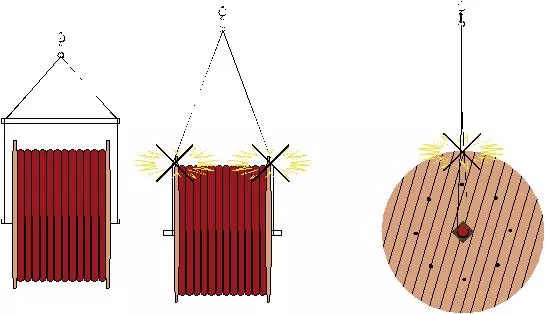
Understanding Large Wire Carrier Spools: Essential Insights for Efficient Electrical Projects
Large wire carrier spools are essential components used to store and transport various types of wire and cable. Their design allows for efficient handling and organization, especially when dealing with bulky or heavy wiring. Utilizing these spools can significantly enhance the workflow on electrical projects by minimizing downtime and improving safety. One of the primary benefits of large wire car

Top Tips for Storing and Managing Your Corrugated Wire Spools
Top Tips for Storing and Managing Your Corrugated Wire Spools Table of Contents Introduction to Corrugated Wire Spools Importance of Proper Wire Storage Best Practices for Storing Corrugated Wire Spools Ideal Storage Environment Organizing Your Wire Spools Effectively Managing Corrugated Wire Spools in the Workspace En
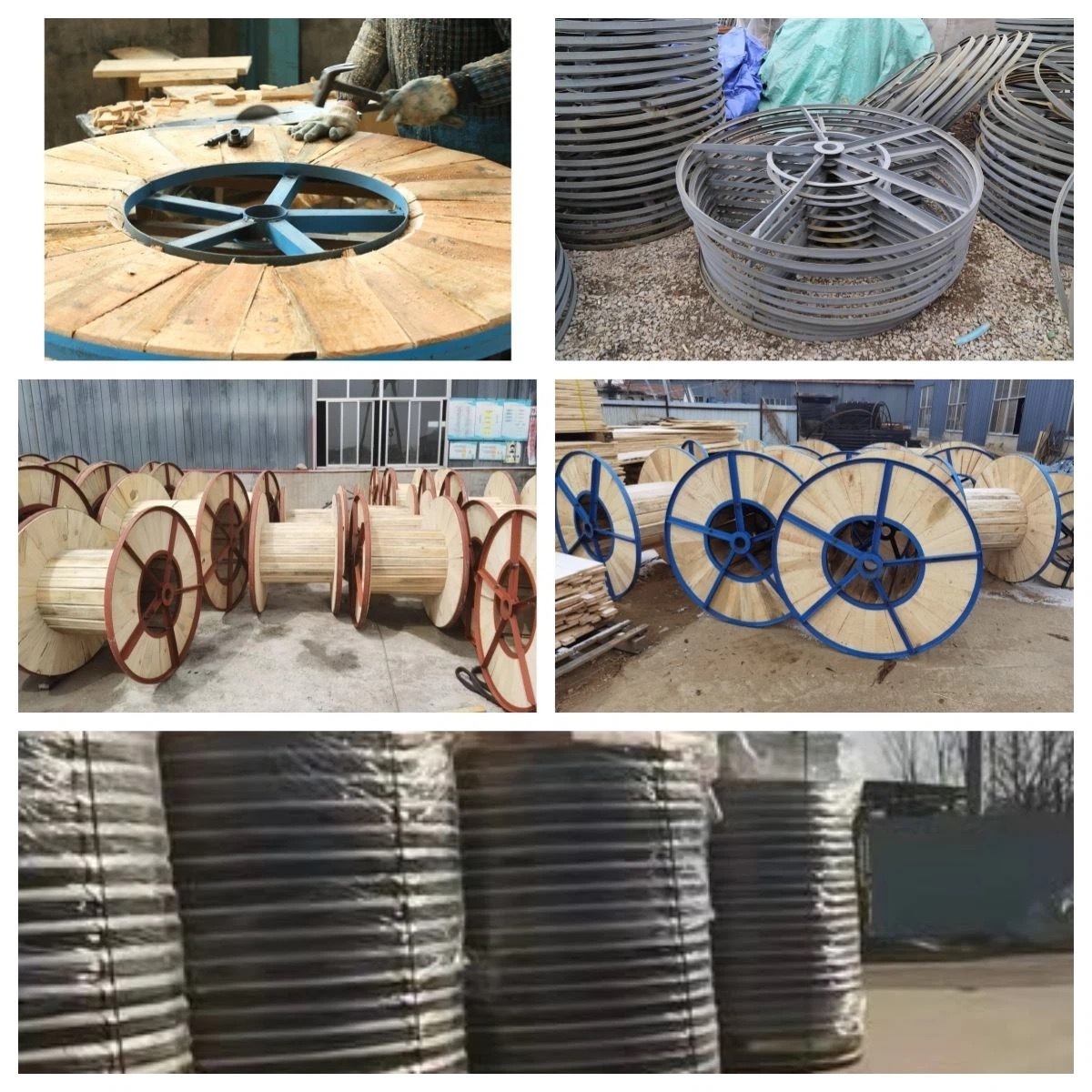
Understanding Wooden Drums for Cable Storage and Transportation
In the electrical industry, the efficient handling of cables is crucial for ensuring smooth operations and project success. One of the key components that facilitate the storage and transportation of cables is the wooden drum. These drums are specifically designed to hold various types of cables securely while providing ease of movement and accessibility. Wooden drums are typically made from high-

Maximize Efficiency with the Right Cable Drum Roller for Electrical Applications
Maximize Efficiency with the Right Cable Drum Roller Table of Contents 1. Introduction to Cable Drum Rollers 2. Types of Cable Drum Rollers 3. How to Choose the Right Cable Drum Roller 4. Features to Consider When Selecting a Cable Drum Roller 5. Installation Tips for Cable Drum Rollers 6. Maintenance and Care for Longevity 7. Safety Considerations when Using Cable Dru
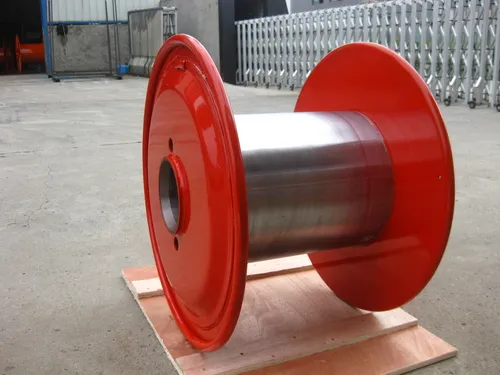
Understanding Wire Packaging Spools: Essential Insights for Electrical Professionals
Wire packaging spools play a vital role in the electrical and cable industry, serving as the primary method of organizing and transporting wires. These spools are designed to protect the integrity of the wire during storage and transportation, ensuring that it remains untangled and in optimal condition. Typically manufactured from materials such as plastic, metal, or cardboard, wire packaging spoo

Professional Cable Management Solution with welding cable reel
best welding cable reel spots provides an effective solution for maintaining organized, safe, and efficient welding operations.
Contact Us
Telephone: +86-187-6548-6789
WhatsApp: +86-139-5388-5161
E-Mail: boss@sdtsgm.com
Address: Qiujiadian industral Park, Qiujiadian Town,Taishan District, Tai'anCity, Shandong Province
Share to