Packaging services for rope, mesh, wire and cable companies worldwide.


How to Select the Perfect Wire Packaging Spool for Your Needs
Release time:
Mar 06,2026
How to Select the Perfect Wire Packaging Spool for Your Needs Table of Contents Understanding Wire Packaging Spools Importance of Choosing the Right Spool Types of Wire Packaging Spools Plastic Spools Metal Spools Wooden Spools Factors to Consider When Selecting a Spool Size and Capacity Ma
How to Select the Perfect Wire Packaging Spool for Your Needs
Table of Contents
- Understanding Wire Packaging Spools
- Importance of Choosing the Right Spool
- Types of Wire Packaging Spools
- Factors to Consider When Selecting a Spool
- How to Measure Your Wire for Spool Selection
- Choosing the Right Spool for Different Applications
- Maintenance and Storage of Wire Spools
- Common Mistakes to Avoid When Selecting Wire Spools
- Frequently Asked Questions
- Conclusion
Understanding Wire Packaging Spools
Wire packaging spools play a crucial role in the storage, transportation, and usability of electrical wires. These spools are designed to hold wire securely while allowing for easy unwinding during use. Understanding the construction and purpose of these spools is essential for selecting the right one for your specific needs. A well-chosen spool can minimize wire damage and enhance operational efficiency.
Importance of Choosing the Right Spool
The right wire packaging spool directly impacts the performance and safety of electrical projects. Choosing an inappropriate spool can lead to issues such as:
- Wire tangling and damage
- Difficulty in unwinding
- Increased risk of electrical faults
- Waste of time and resources
Understanding the significance of selecting the right spool can save you from these challenges, ultimately enhancing project efficiency and safety.
Types of Wire Packaging Spools
Plastic Spools
Plastic spools are lightweight and often used for smaller wire gauges. They are resistant to moisture and corrosion, making them ideal for indoor and outdoor applications. Plastic spools are also available in various sizes, catering to different wire lengths and types.
Metal Spools
Metal spools are known for their strength and durability. They can hold heavier wires and are less likely to break under stress. However, they may be more susceptible to rust if exposed to moisture. Metal spools are commonly used in industrial settings where the wire needs to withstand harsh conditions.
Wooden Spools
Wooden spools are traditional options that provide a rustic charm. They are sturdy and can hold a significant amount of wire. However, they can be heavier than plastic and may not be suitable for all applications, especially in wet environments where they can degrade over time.
Factors to Consider When Selecting a Spool
Size and Capacity
When selecting a wire packaging spool, size and capacity are paramount. The spool must accommodate the entire length of wire without being overloaded. Consider the diameter and width of the spool to ensure it meets your needs.
Material Durability
The material of the spool affects its longevity and performance. Assess the environment in which the spool will be used. For outdoor applications, opt for materials like plastic or metal that can withstand weather elements. For indoor use, wooden spools may be acceptable.
Spool Design and Compatibility
Examine the design features of the spool. Some spools come with built-in brakes or locking mechanisms to prevent unwinding during transport. Additionally, ensure that the spool is compatible with your wire’s specifications and the equipment you’ll be using it with.
How to Measure Your Wire for Spool Selection
Measuring your wire accurately is vital for spool selection. Here’s a simple process:
- Determine the wire gauge and type.
- Measure the total length of wire you need to store.
- Check the spool dimensions and capacity against your wire specifications.
By carefully measuring, you can avoid selecting a spool that is too small or too large for your needs.
Choosing the Right Spool for Different Applications
Industrial Applications
In industrial settings, wires often need to withstand tough conditions. Therefore, selecting a durable metal spool that can bear heavy weights and resist corrosion is advisable. Additionally, consider spools with features like brakes to prevent wire from unwinding unexpectedly during transport.
Residential Applications
For home projects, plastic spools may be the best choice due to their lightweight nature and ease of handling. They are perfect for smaller projects, such as electrical repairs or DIY crafts, where portability is essential.
Maintenance and Storage of Wire Spools
Proper maintenance and storage of wire spools can significantly extend their lifespan. Here are some tips:
- Store spools in a dry, cool place to prevent moisture damage.
- Inspect spools regularly for signs of wear and tear.
- Keep spools clean and free from debris that can interfere with wire unwinding.
By following these practices, you can ensure the longevity and functionality of your wire packaging spools.
Common Mistakes to Avoid When Selecting Wire Spools
Here are some frequent pitfalls to watch out for when choosing wire packaging spools:
- Underestimating the wire length needed
- Ignoring the weight limit of the spool
- Overlooking environmental factors that could affect spool material
Avoiding these mistakes can lead to a smoother selection process and better project outcomes.
Frequently Asked Questions
What is the best material for wire packaging spools?
The best material depends on your specific needs. For outdoor use, plastic or metal spools are advisable due to their weather resistance, while wooden spools may be suitable for indoor applications.
How do I know what size spool to buy?
Measure the total length of wire you need to store and compare it to the spool's capacity to ensure a proper fit.
Can I reuse wire spools?
Yes, wire spools can often be reused if they remain in good condition. Ensure they are clean and free of damage before reusing.
Are there specific spools for different types of wires?
Yes, various spools are designed for specific wire types, such as high-tension wires or lightweight cables. Always check compatibility before purchase.
How often should I inspect wire spools?
Inspect wire spools regularly, especially if they are used frequently. This practice can help identify any wear or damage early, preventing issues during use.
Conclusion
Choosing the perfect wire packaging spool is essential for the success of your electrical projects. By understanding the different types of spools, considering key factors such as size and material, and avoiding common mistakes, you can ensure a smooth and efficient workflow. Whether you are working on industrial applications or home DIY projects, the right spool will enhance your overall experience, making it a crucial component of your toolkit. Invest time in selecting the right packaging spool, and you will reap the benefits in performance and reliability.
News
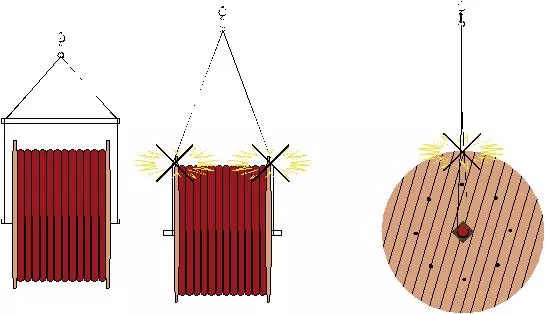
Understanding Large Wire Carrier Spools: Essential Insights for Efficient Electrical Projects
Large wire carrier spools are essential components used to store and transport various types of wire and cable. Their design allows for efficient handling and organization, especially when dealing with bulky or heavy wiring. Utilizing these spools can significantly enhance the workflow on electrical projects by minimizing downtime and improving safety. One of the primary benefits of large wire car

Top Tips for Storing and Managing Your Corrugated Wire Spools
Top Tips for Storing and Managing Your Corrugated Wire Spools Table of Contents Introduction to Corrugated Wire Spools Importance of Proper Wire Storage Best Practices for Storing Corrugated Wire Spools Ideal Storage Environment Organizing Your Wire Spools Effectively Managing Corrugated Wire Spools in the Workspace En
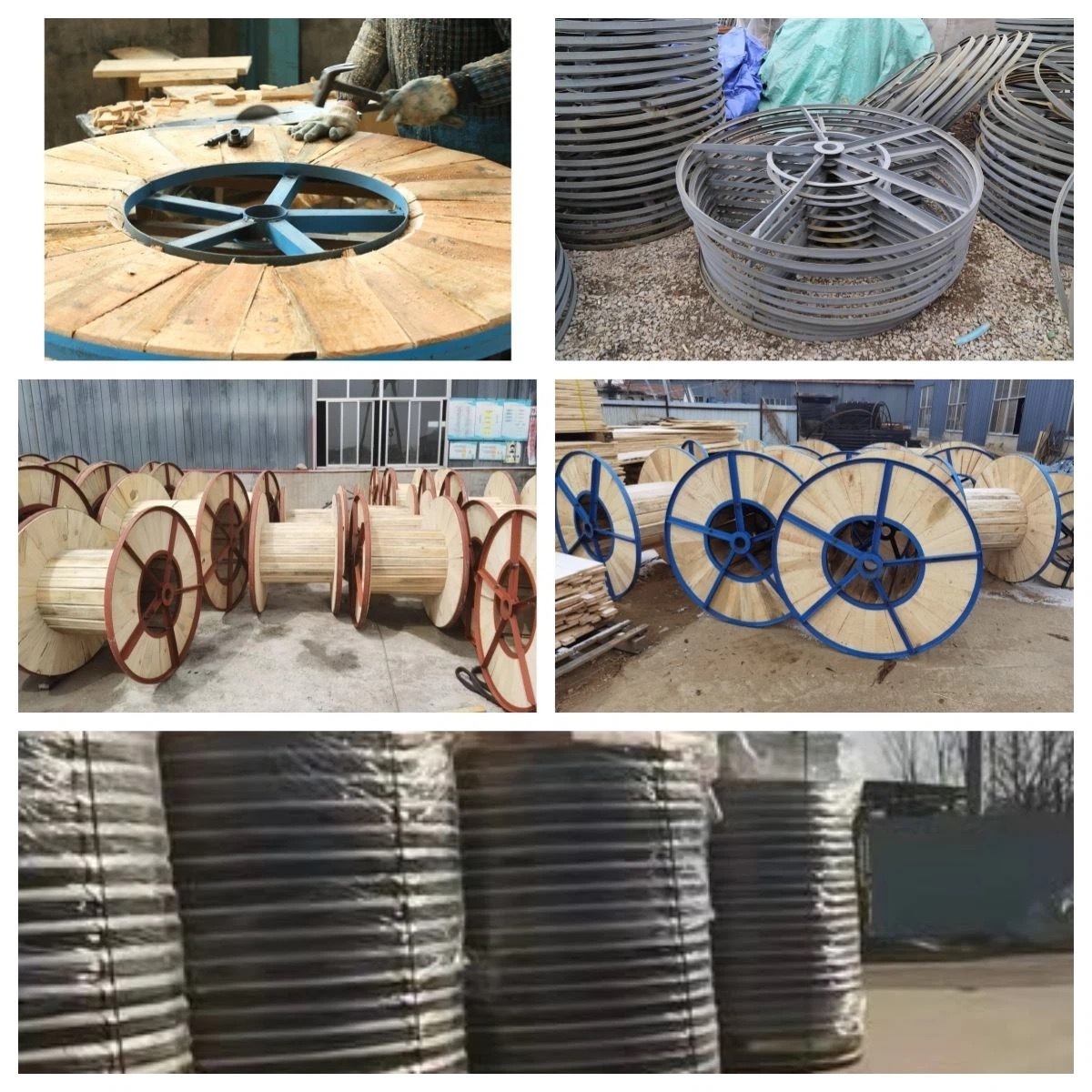
Understanding Wooden Drums for Cable Storage and Transportation
In the electrical industry, the efficient handling of cables is crucial for ensuring smooth operations and project success. One of the key components that facilitate the storage and transportation of cables is the wooden drum. These drums are specifically designed to hold various types of cables securely while providing ease of movement and accessibility. Wooden drums are typically made from high-

Maximize Efficiency with the Right Cable Drum Roller for Electrical Applications
Maximize Efficiency with the Right Cable Drum Roller Table of Contents 1. Introduction to Cable Drum Rollers 2. Types of Cable Drum Rollers 3. How to Choose the Right Cable Drum Roller 4. Features to Consider When Selecting a Cable Drum Roller 5. Installation Tips for Cable Drum Rollers 6. Maintenance and Care for Longevity 7. Safety Considerations when Using Cable Dru
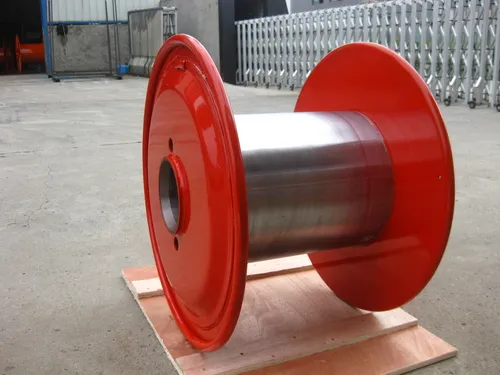
Understanding Wire Packaging Spools: Essential Insights for Electrical Professionals
Wire packaging spools play a vital role in the electrical and cable industry, serving as the primary method of organizing and transporting wires. These spools are designed to protect the integrity of the wire during storage and transportation, ensuring that it remains untangled and in optimal condition. Typically manufactured from materials such as plastic, metal, or cardboard, wire packaging spoo

Professional Cable Management Solution with welding cable reel
best welding cable reel spots provides an effective solution for maintaining organized, safe, and efficient welding operations.
Contact Us
Telephone: +86-187-6548-6789
WhatsApp: +86-139-5388-5161
E-Mail: boss@sdtsgm.com
Address: Qiujiadian industral Park, Qiujiadian Town,Taishan District, Tai'anCity, Shandong Province
Share to