Packaging services for rope, mesh, wire and cable companies worldwide.


Double Layer Wire Spools vs. Traditional Spools: What's the Difference?
Release time:
Apr 11,2026
Double Layer Wire Spools vs. Traditional Spools: What’s the Difference? Table of Contents Introduction Understanding Wire Spools What are Traditional Spools? What are Double Layer Spools? Key Differences Between Double Layer and Traditional Spools Design and Structure Capacity and Space Efficiency D
Double Layer Wire Spools vs. Traditional Spools: What’s the Difference?
Table of Contents
- Introduction
- Understanding Wire Spools
- Key Differences Between Double Layer and Traditional Spools
- Advantages of Double Layer Spools
- Applications of Double Layer Spools
- When to Use Traditional Spools
- Cost Considerations
- Conclusion
- FAQs
Introduction
In the realm of electrical wiring, choosing the right type of spool can significantly affect not only the efficiency of your project but also its overall cost and performance. This comprehensive guide delves into the **differences between double layer wire spools and traditional spools**, providing insights tailored to professionals and DIY enthusiasts alike.
Understanding Wire Spools
What are Traditional Spools?
Traditional spools have been the cornerstone of wire storage for decades. They are typically made from wood, plastic, or metal and designed to hold a single layer of wire. Their straightforward design allows for easy unwinding and maneuverability, making them a popular choice in many electrical applications.
What are Double Layer Spools?
Double layer spools, on the other hand, feature a more sophisticated design. They come equipped with two layers of wire wound on a single spool, effectively doubling the amount of wire that can be stored without increasing the spool's external dimensions. This innovative design helps to maximize space and reduce the number of spools needed on site.
Key Differences Between Double Layer and Traditional Spools
Design and Structure
The **design and structure** of double layer wire spools are created to enhance efficiency. The two-layer system allows for a more compact arrangement, reducing tangles and improving accessibility. In contrast, traditional spools are constructed to hold a single layer, which may lead to more potential tangles and complications during unwinding.
Capacity and Space Efficiency
When it comes to **capacity and space efficiency**, double layer spools clearly have the advantage. They can store a larger amount of wire in the same footprint as a traditional spool, making them ideal for projects with limited storage space. This feature is especially beneficial in industrial settings where space is a premium.
Durability and Usage
Durability is another key factor to consider. Double layer spools are often constructed to withstand tougher conditions, making them ideal for outdoor or demanding environments. Traditional spools, while effective for many applications, may not offer the same level of durability and could be more prone to damage in harsh conditions.
Advantages of Double Layer Spools
Double layer spools come with a myriad of advantages. These include:
1. **Space Savings**: As previously mentioned, they allow for more wire to be stored in less space.
2. **Reduced Tangles**: The design minimizes the risk of wire tangling, which can be a significant issue with traditional spools.
3. **Enhanced Handling**: The compact nature of double layer spools makes them easier to handle, transport, and store.
4. **Versatility**: They are suitable for a variety of applications, from residential wiring to industrial use.
5. **Cost Efficiency**: Although they may come at a higher initial price, the long-term savings on storage and improved workflow can outweigh the upfront costs.
Applications of Double Layer Spools
Double layer spools are suitable for various applications, including:
- **Industrial Wiring**: High-demand environments where space and efficiency are critical.
- **Construction Sites**: Where quick access to wire is necessary without the hassle of tangled spools.
- **Electrical Maintenance**: Technicians can benefit from the ease of unwinding wire without complications.
- **Large Scale Projects**: Ideal for projects that require extensive amounts of wire with minimal downtime.
When to Use Traditional Spools
Despite the advantages of double layer spools, there are still scenarios in which traditional spools are the right choice:
- **Small Scale Projects**: For minor electrical work where only a small amount of wire is needed.
- **Cost Constraints**: In budget-sensitive projects, traditional spools can be a more economical choice.
- **Simplicity**: When a straightforward approach to wiring is preferred without the need for advanced features.
Cost Considerations
When evaluating the **cost considerations** for double layer versus traditional spools, it is essential to look beyond just the purchase price. While double layer spools may carry a higher upfront cost, their benefits in efficiency and reduced labor time can lead to lower operational costs in the long run. Traditional spools, while cheaper, may incur additional costs due to increased labor and material waste caused by tangling or mismanagement.
Conclusion
Choosing between double layer wire spools and traditional spools ultimately depends on your specific needs and the demands of your project. While double layer spools offer numerous advantages in terms of space efficiency, durability, and reduced tangles, traditional spools still hold value in certain applications due to their simplicity and lower cost. By understanding the unique features and benefits of each option, you can make an informed decision that enhances your electrical wiring projects.
FAQs
1. What types of materials are double layer spools made from?
Double layer spools are commonly made from high-strength plastic or metal, which enhances their durability and resistance to wear.
2. Can double layer spools be used for all types of wire?
Yes, double layer spools can accommodate various types of wire, including copper, aluminum, and specialty wires, provided they are of compatible sizes.
3. Are double layer spools more expensive than traditional spools?
Generally, yes. Double layer spools tend to have a higher initial cost, but their efficiency can lead to long-term savings.
4. How do I prevent tangling with traditional spools?
To minimize tangling with traditional spools, ensure that the wire is unwound properly and stored correctly to avoid unnecessary strain.
5. Where can I purchase double layer wire spools?
Double layer wire spools are available at most electrical supply stores and online retailers specializing in electrical components.
News
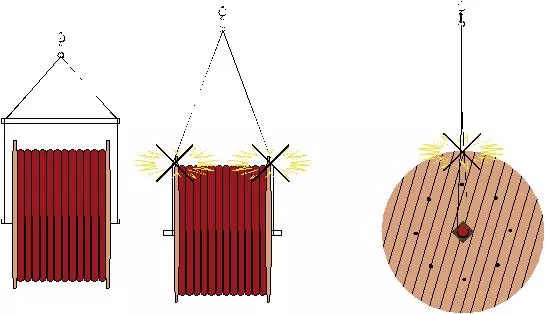
Understanding Large Wire Carrier Spools: Essential Insights for Efficient Electrical Projects
Large wire carrier spools are essential components used to store and transport various types of wire and cable. Their design allows for efficient handling and organization, especially when dealing with bulky or heavy wiring. Utilizing these spools can significantly enhance the workflow on electrical projects by minimizing downtime and improving safety. One of the primary benefits of large wire car

Top Tips for Storing and Managing Your Corrugated Wire Spools
Top Tips for Storing and Managing Your Corrugated Wire Spools Table of Contents Introduction to Corrugated Wire Spools Importance of Proper Wire Storage Best Practices for Storing Corrugated Wire Spools Ideal Storage Environment Organizing Your Wire Spools Effectively Managing Corrugated Wire Spools in the Workspace En
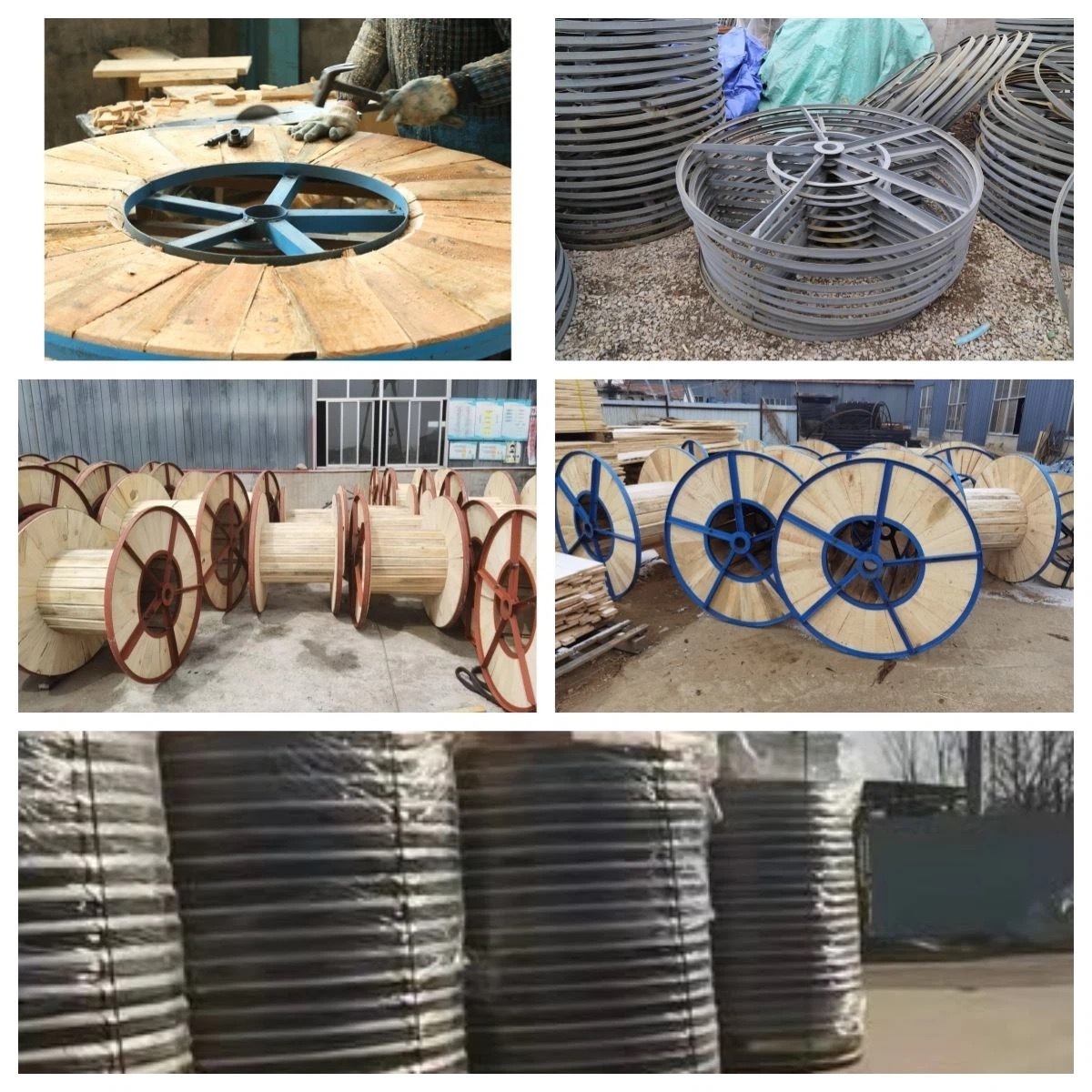
Understanding Wooden Drums for Cable Storage and Transportation
In the electrical industry, the efficient handling of cables is crucial for ensuring smooth operations and project success. One of the key components that facilitate the storage and transportation of cables is the wooden drum. These drums are specifically designed to hold various types of cables securely while providing ease of movement and accessibility. Wooden drums are typically made from high-

Maximize Efficiency with the Right Cable Drum Roller for Electrical Applications
Maximize Efficiency with the Right Cable Drum Roller Table of Contents 1. Introduction to Cable Drum Rollers 2. Types of Cable Drum Rollers 3. How to Choose the Right Cable Drum Roller 4. Features to Consider When Selecting a Cable Drum Roller 5. Installation Tips for Cable Drum Rollers 6. Maintenance and Care for Longevity 7. Safety Considerations when Using Cable Dru
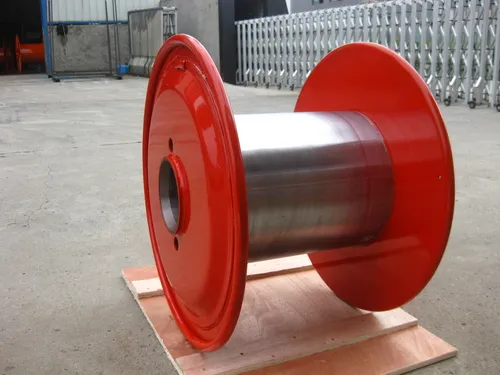
Understanding Wire Packaging Spools: Essential Insights for Electrical Professionals
Wire packaging spools play a vital role in the electrical and cable industry, serving as the primary method of organizing and transporting wires. These spools are designed to protect the integrity of the wire during storage and transportation, ensuring that it remains untangled and in optimal condition. Typically manufactured from materials such as plastic, metal, or cardboard, wire packaging spoo

Professional Cable Management Solution with welding cable reel
best welding cable reel spots provides an effective solution for maintaining organized, safe, and efficient welding operations.
Contact Us
Telephone: +86-187-6548-6789
WhatsApp: +86-139-5388-5161
E-Mail: boss@sdtsgm.com
Address: Qiujiadian industral Park, Qiujiadian Town,Taishan District, Tai'anCity, Shandong Province
Share to