Packaging services for rope, mesh, wire and cable companies worldwide.


How Flat Wire Spools Can Simplify Your Wiring Process
Release time:
May 23,2026
How Flat Wire Spools Can Simplify Your Wiring Process Table of Contents 1. Introduction to Flat Wire Spools 2. Benefits of Using Flat Wire Spools 2.1 Space-Saving Design 2.2 Ease of Use 2.3 Improved Safety 3. Types of Flat Wire Spools 3.1 Material Options 3.2 Size Variations 4. Installa
How Flat Wire Spools Can Simplify Your Wiring Process
Table of Contents
- 1. Introduction to Flat Wire Spools
- 2. Benefits of Using Flat Wire Spools
- 3. Types of Flat Wire Spools
- 4. Installation Tips for Flat Wire Spools
- 5. Maintenance Guide for Flat Wire Spools
- 6. Cost-Effectiveness of Flat Wire Spools
- 7. Common Issues and Solutions
- 8. Frequently Asked Questions
- 9. Conclusion
1. Introduction to Flat Wire Spools
Flat wire spools are essential tools in the electrical industry, designed to store and dispense wires efficiently. Unlike traditional round spools, flat wire spools offer a unique configuration that simplifies the wiring process in numerous ways. As electrical projects grow more complex, the need for organization and precision becomes paramount. Flat wire spools address these requirements by providing a streamlined method for managing wiring tasks.
In this article, we will explore how flat wire spools can transform your wiring process, highlighting their advantages, installation tips, and maintenance practices.
2. Benefits of Using Flat Wire Spools
When it comes to electrical projects, the choice of materials and tools can significantly impact the efficiency and safety of the work. Flat wire spools provide several benefits that make them a preferred choice among professionals.
2.1 Space-Saving Design
One of the most significant advantages of flat wire spools is their space-saving design. These spools allow for compact storage, making them ideal for workshops and job sites with limited space. Unlike conventional round spools that can take up a lot of room, flat spools can be stacked or stored vertically, maximizing available space.
2.2 Ease of Use
Flat wire spools are designed for efficiency. The flat configuration allows for easier unwinding and rewinding, reducing the time spent managing wires. Electricians can quickly access the wire they need without tangling or tangling issues that often occur with traditional spools. This ease of use can lead to faster project completion and improved productivity.
2.3 Improved Safety
Safety is a critical concern in electrical work. Flat wire spools can enhance safety by reducing the risk of wire tangles and trips. With the wires neatly organized and easily accessible, workers can focus on the task at hand without distractions or hazards. Additionally, the design minimizes the risk of damage to the wire itself, which can lead to electrical failures or hazards.
3. Types of Flat Wire Spools
Understanding the different types of flat wire spools available can help professionals choose the right option for their specific needs. Here, we break down the key variations.
3.1 Material Options
Flat wire spools come in various materials, including plastic, metal, and composite options. Each material has its advantages:
- **Plastic Spools**: Lightweight and cost-effective, plastic spools are suitable for general use but may not withstand harsh outdoor conditions.
- **Metal Spools**: More durable than plastic, metal spools are perfect for heavy-duty applications and are resistant to environmental factors.
- **Composite Spools**: A hybrid option, composite spools offer a balance of durability and weight, making them a versatile choice for various projects.
3.2 Size Variations
Flat wire spools are available in various sizes to accommodate different wire lengths and gauges. Choosing the right size is crucial to ensure that the spool can handle the specific wiring needs of a project. Smaller spools are suitable for residential jobs, while larger spools are better suited for commercial or industrial applications.
4. Installation Tips for Flat Wire Spools
Proper installation of flat wire spools can make a significant difference in the overall efficiency of your wiring process. Here are some best practices to follow:
1. **Choose the Right Location**: Install the spool at a convenient height to minimize bending and stretching during use.
2. **Secure the Spool**: Ensure that the flat wire spool is properly secured to prevent movement while unwinding the wire.
3. **Label Wires**: Clearly label each spool with the wire type and gauge to simplify the selection process during installation.
Implementing these simple installation tips can reduce complications and streamline the wiring process.
5. Maintenance Guide for Flat Wire Spools
Regular maintenance of flat wire spools is essential to ensure longevity and performance. Here are some maintenance tips:
- **Clean the Spool**: Dust and debris can accumulate on spools, affecting their function. Regular cleaning will prevent these issues.
- **Inspect for Damage**: Check for cracks, bends, or other damage to the spool. Replace any damaged spools to avoid complications during use.
- **Store Properly**: When not in use, store flat wire spools in a dry, cool place to prevent warping or deterioration.
By following these maintenance practices, you can prolong the life of your flat wire spools and ensure consistent performance.
6. Cost-Effectiveness of Flat Wire Spools
Investing in flat wire spools can be cost-effective in the long run. While the initial purchase may seem higher compared to traditional spools, the benefits of reduced waste, improved efficiency, and increased safety add value. Professionals can complete jobs faster, minimize errors, and save on material costs by reducing wire damage.
Additionally, the durability of flat wire spools means that they often last longer than cheaper alternatives, providing more value over time.
7. Common Issues and Solutions
While flat wire spools offer many advantages, some common issues can arise. Here, we address these problems and their solutions:
1. **Wire Tangles**: Ensure that the spool is mounted securely and that the wire unwinds smoothly to prevent tangling.
2. **Difficult Unwinding**: If the wire pulls too tightly, check for proper installation and ensure the spool is not overloaded.
3. **Damage to Wire**: Inspect the spool regularly for sharp edges or defects that could damage the wire during use.
By understanding these issues and their solutions, electricians can maintain a smooth workflow.
8. Frequently Asked Questions
1. What types of wires are suitable for flat wire spools?
Flat wire spools can accommodate various wire types, including low-voltage wires and multi-conductor cables. It’s essential to check the spool's specifications to ensure compatibility.
2. How do I clean flat wire spools?
Use a damp cloth to wipe away dust and debris. For stubborn dirt, mild soap can be used, but ensure the spool is completely dry before storing it.
3. Are flat wire spools suitable for outdoor use?
Metal and some composite spools are generally more suitable for outdoor use due to their durability. Always check the manufacturer's recommendations.
4. Can I use flat wire spools for heavy-duty applications?
Yes, metal flat wire spools are particularly well-suited for heavy-duty applications due to their strength and resilience.
5. How can I maximize the lifespan of my flat wire spools?
Regular maintenance, proper storage, and careful handling can significantly extend the lifespan of flat wire spools.
9. Conclusion
Flat wire spools represent a significant advancement in the electrical industry, streamlining the wiring process while enhancing safety and efficiency. Their space-saving design, ease of use, and cost-effectiveness make them an invaluable tool in both residential and commercial settings. By understanding the various types of flat wire spools, installation tips, and maintenance practices, electricians can optimize their work and improve the overall wiring experience.
Incorporating flat wire spools into your toolkit not only simplifies your wiring process but also promotes a more organized and efficient work environment. Embrace this innovative solution and transform the way you approach electrical projects.
News
Understanding Large Wire Carrier Spools: Essential Insights for Efficient Electrical Projects
Large wire carrier spools are essential components used to store and transport various types of wire and cable. Their design allows for efficient handling and organization, especially when dealing with bulky or heavy wiring. Utilizing these spools can significantly enhance the workflow on electrical projects by minimizing downtime and improving safety. One of the primary benefits of large wire car

Top Tips for Storing and Managing Your Corrugated Wire Spools
Top Tips for Storing and Managing Your Corrugated Wire Spools Table of Contents Introduction to Corrugated Wire Spools Importance of Proper Wire Storage Best Practices for Storing Corrugated Wire Spools Ideal Storage Environment Organizing Your Wire Spools Effectively Managing Corrugated Wire Spools in the Workspace En
Understanding Wooden Drums for Cable Storage and Transportation
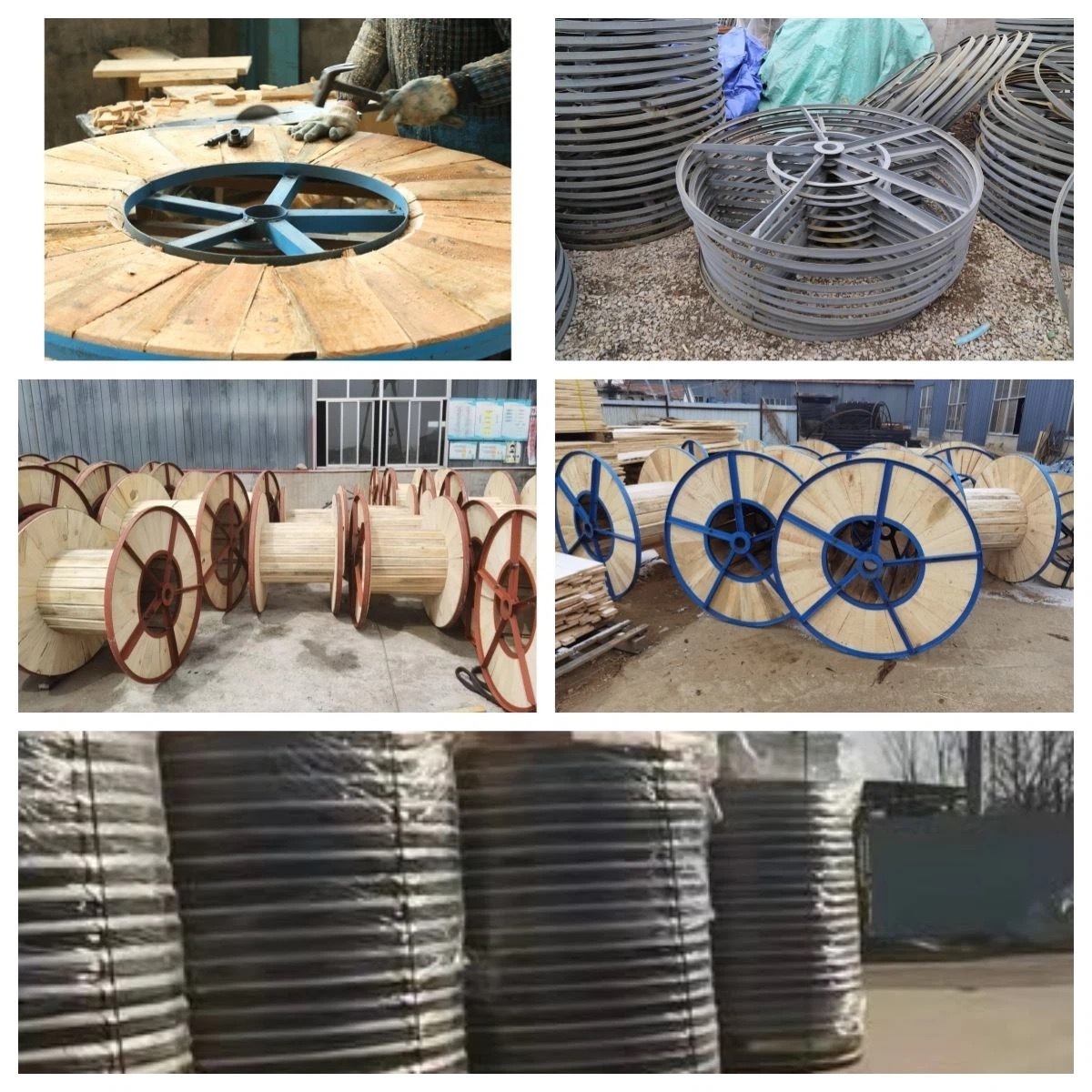
In the electrical industry, the efficient handling of cables is crucial for ensuring smooth operations and project success. One of the key components that facilitate the storage and transportation of cables is the wooden drum. These drums are specifically designed to hold various types of cables securely while providing ease of movement and accessibility. Wooden drums are typically made from high-

Maximize Efficiency with the Right Cable Drum Roller for Electrical Applications
Maximize Efficiency with the Right Cable Drum Roller Table of Contents 1. Introduction to Cable Drum Rollers 2. Types of Cable Drum Rollers 3. How to Choose the Right Cable Drum Roller 4. Features to Consider When Selecting a Cable Drum Roller 5. Installation Tips for Cable Drum Rollers 6. Maintenance and Care for Longevity 7. Safety Considerations when Using Cable Dru
Understanding Wire Packaging Spools: Essential Insights for Electrical Professionals
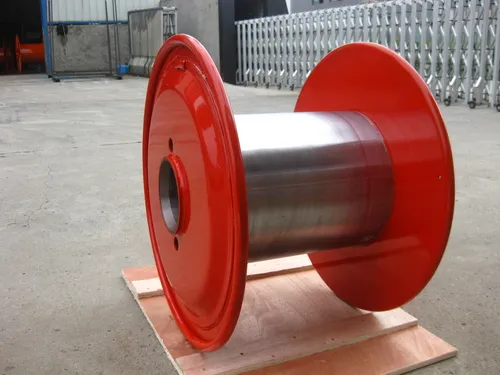
Wire packaging spools play a vital role in the electrical and cable industry, serving as the primary method of organizing and transporting wires. These spools are designed to protect the integrity of the wire during storage and transportation, ensuring that it remains untangled and in optimal condition. Typically manufactured from materials such as plastic, metal, or cardboard, wire packaging spoo

Professional Cable Management Solution with welding cable reel
best welding cable reel spots provides an effective solution for maintaining organized, safe, and efficient welding operations.
Contact Us
Telephone: +86-187-6548-6789
WhatsApp: +86-139-5388-5161
E-Mail: boss@sdtsgm.com
Address: Qiujiadian industral Park, Qiujiadian Town,Taishan District, Tai'anCity, Shandong Province
Share to