Packaging services for rope, mesh, wire and cable companies worldwide.


Common Mistakes to Avoid When Using Flat Wire Spools for Electrical Applications
Release time:
Jun 23,2026
Common Mistakes to Avoid When Using Flat Wire Spools for Electrical Applications Introduction to Flat Wire Spools Flat wire spools are an integral part of many electrical applications, providing a versatile and efficient means of managing electrical wire. Understanding how to properly utilize and maintain these spools is crucial for ensuring safety and performance in your projects. In this art
Common Mistakes to Avoid When Using Flat Wire Spools for Electrical Applications
Introduction to Flat Wire Spools
Flat wire spools are an integral part of many electrical applications, providing a versatile and efficient means of managing electrical wire. Understanding how to properly utilize and maintain these spools is crucial for ensuring safety and performance in your projects. In this article, we will delve into common mistakes made when using flat wire spools and provide actionable solutions to avoid them.
Understanding Flat Wire Spools
Before we discuss the common mistakes, it's vital to understand what flat wire spools are and their purpose in electrical work. These spools are designed to hold flat wires, which are often used in various electrical, automotive, and electronic applications due to their lightweight and space-saving properties. Here’s a closer look at their features and benefits.
Features of Flat Wire Spools
- **Space Efficiency:** Flat wires take up less space compared to round wires, making them ideal for tight installations.
- **Lightweight Design:** This design minimizes the overall weight of the wiring system, which can be beneficial in applications like automotive and aerospace industries.
- **Customizable Lengths:** Flat wire spools can be easily cut to the desired length, making them versatile for various projects.
Benefits of Using Flat Wire Spools
- **Improved Flexibility:** Their flat design allows for better flexibility, reducing the risk of breaks during installation.
- **Enhanced Durability:** Many flat wire spools are made from high-quality materials, ensuring longevity and reliability.
- **Easy Handling:** The spool design simplifies the process of unwinding and working with the wire, enhancing efficiency.
Common Mistakes to Avoid
Understanding the potential pitfalls when using flat wire spools can save time, money, and promote safety. Here are the most common mistakes to avoid:
1. Improper Storage Conditions
Flat wire spools need to be stored in a dry, cool environment to prevent damage. Storing them in damp or humid areas can lead to corrosion and wire degradation. Always keep spools in a climate-controlled place to maintain their integrity.
2. Using Worn-Out or Damaged Spools
Inspect spools regularly for signs of wear or damage. Using compromised spools can lead to wire tangling, breakage, or even electrical failures. Replace any damaged spools immediately to ensure a safe working environment.
3. Neglecting Proper Handling Techniques
When unwinding wire, it's essential to use proper handling techniques. Pulling wire too forcefully can lead to tangles or kinks. Instead, allow the spool to rotate freely while gently pulling the wire to maintain its integrity.
Best Practices for Handling
- **Always unwind slowly** to prevent kinks.
- **Secure the spool** to a stable surface to avoid movement while unwinding.
- **Use appropriate tools** if necessary to assist in unwinding.
4. Failing to Consider Wire Length and Gauge
Choosing the wrong wire length or gauge can cause inefficiencies or safety hazards. Always calculate the required length accurately and ensure the gauge fits the application specifications. This prevents excessive waste and improves functionality.
5. Ignoring Compatibility with Other Components
Not all flat wires are compatible with every type of electrical component. Always double-check compatibility with connectors, terminals, and other components to avoid failures or safety risks.
6. Overloading the Spool
Each spool has a maximum weight and wire capacity limit. Overloading can lead to spool damage or wire tangling. Adhere to the manufacturer's guidelines to avoid issues.
7. Not Labeling Cables Properly
Proper labeling of wires is essential for easy identification during installation and troubleshooting. Failing to label can lead to confusion and mistakes, wasting time and effort.
8. Skipping Maintenance Routines
Regular maintenance is key to extending the life of your flat wire spools. Ensure you clean and inspect spools regularly to catch any issues early. This simple step can save you from costly repairs or replacements down the line.
Tips for Enhancing Your Use of Flat Wire Spools
Beyond avoiding common mistakes, there are proactive steps you can take to optimize how you use flat wire spools. Here are some effective tips:
1. Invest in Quality Spools
Choosing high-quality flat wire spools can significantly influence your project outcomes. Look for spools made from durable materials that can withstand the rigors of your specific applications.
2. Organize Your Workspace
Maintain an organized workspace to streamline your processes. Keeping spools and wires neatly arranged minimizes the risk of errors and increases efficiency.
3. Use Spool Holders
Invest in spool holders or dispensers that allow for smooth unwinding of flat wire. This minimizes the risk of tangles and kinks, ensuring a hassle-free experience during installation.
4. Follow Manufacturer Guidelines
Always refer to the manufacturer's instructions for the specific flat wire spools you are using. This ensures that you adhere to best practices for usage, handling, and maintenance.
5. Stay Informed on Industry Standards
Keeping up with industry standards and advancements related to flat wire spools can help you stay ahead. This knowledge can lead to improved practices and innovations in your projects.
Frequently Asked Questions (FAQs)
1. What is the proper way to store flat wire spools?
Store flat wire spools in a cool, dry place, away from moisture and direct sunlight. Avoid stacking heavy items on top of them to prevent deformation.
2. How can I tell if a flat wire spool is damaged?
Inspect for signs of wear, such as cracks, broken components, or corrosion. If you notice any of these issues, replace the spool immediately.
3. Is it safe to use flat wire spools outdoors?
While some spools may be rated for outdoor use, it's crucial to check the manufacturer's specifications. Generally, ensure they are protected from moisture and extreme temperatures.
4. How do I properly unwind flat wire from a spool?
Allow the spool to rotate freely while gently pulling the wire. Do not forcefully yank on the wire to prevent kinks or tangles.
5. Can I use flat wire spools for high-voltage applications?
Assure that the wire and spool are rated for high-voltage applications. Always refer to the manufacturer's specifications for guidance.
Conclusion
Using flat wire spools effectively is crucial for safety and efficiency in electrical applications. By avoiding common mistakes such as improper storage, neglecting maintenance, and using damaged spools, you can significantly enhance your projects. Adopting best practices, staying informed about industry standards, and investing in quality materials will further ensure the reliability and performance of your electrical systems. Emphasizing these aspects will not only improve your technical skills but also contribute to safer and more efficient work environments.
News
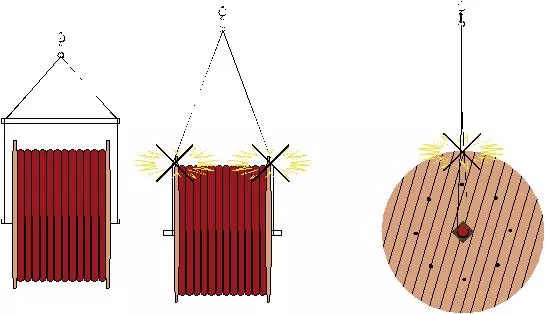
Understanding Large Wire Carrier Spools: Essential Insights for Efficient Electrical Projects
Large wire carrier spools are essential components used to store and transport various types of wire and cable. Their design allows for efficient handling and organization, especially when dealing with bulky or heavy wiring. Utilizing these spools can significantly enhance the workflow on electrical projects by minimizing downtime and improving safety. One of the primary benefits of large wire car

Top Tips for Storing and Managing Your Corrugated Wire Spools
Top Tips for Storing and Managing Your Corrugated Wire Spools Table of Contents Introduction to Corrugated Wire Spools Importance of Proper Wire Storage Best Practices for Storing Corrugated Wire Spools Ideal Storage Environment Organizing Your Wire Spools Effectively Managing Corrugated Wire Spools in the Workspace En
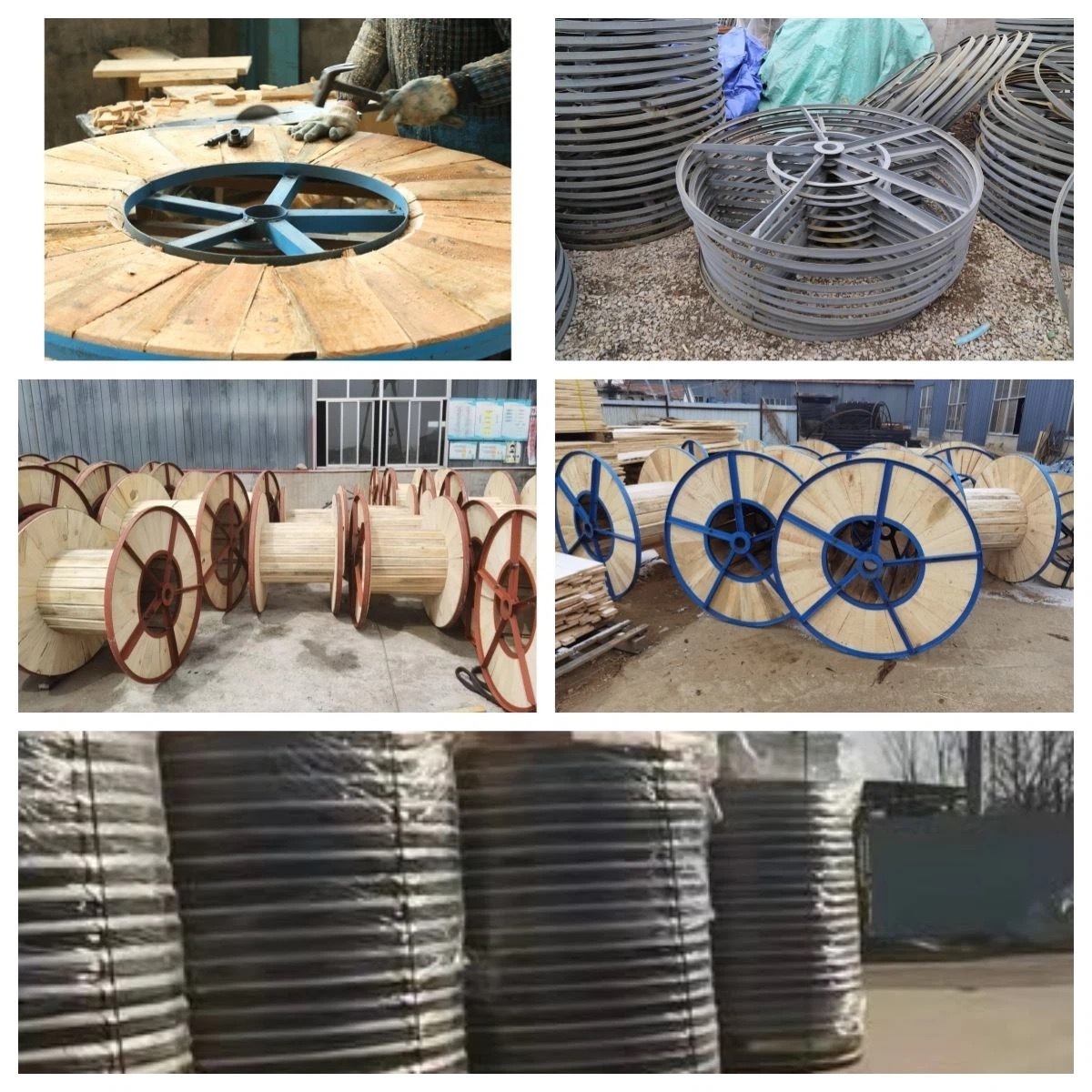
Understanding Wooden Drums for Cable Storage and Transportation
In the electrical industry, the efficient handling of cables is crucial for ensuring smooth operations and project success. One of the key components that facilitate the storage and transportation of cables is the wooden drum. These drums are specifically designed to hold various types of cables securely while providing ease of movement and accessibility. Wooden drums are typically made from high-

Maximize Efficiency with the Right Cable Drum Roller for Electrical Applications
Maximize Efficiency with the Right Cable Drum Roller Table of Contents 1. Introduction to Cable Drum Rollers 2. Types of Cable Drum Rollers 3. How to Choose the Right Cable Drum Roller 4. Features to Consider When Selecting a Cable Drum Roller 5. Installation Tips for Cable Drum Rollers 6. Maintenance and Care for Longevity 7. Safety Considerations when Using Cable Dru
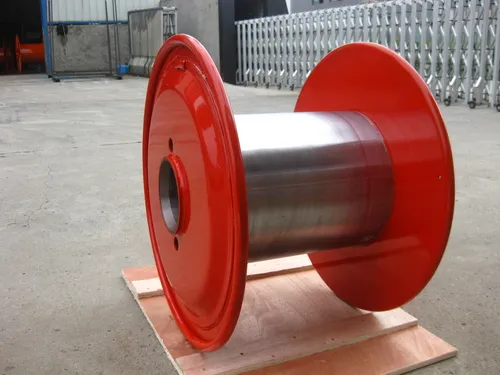
Understanding Wire Packaging Spools: Essential Insights for Electrical Professionals
Wire packaging spools play a vital role in the electrical and cable industry, serving as the primary method of organizing and transporting wires. These spools are designed to protect the integrity of the wire during storage and transportation, ensuring that it remains untangled and in optimal condition. Typically manufactured from materials such as plastic, metal, or cardboard, wire packaging spoo

Professional Cable Management Solution with welding cable reel
best welding cable reel spots provides an effective solution for maintaining organized, safe, and efficient welding operations.
Contact Us
Telephone: +86-187-6548-6789
WhatsApp: +86-139-5388-5161
E-Mail: boss@sdtsgm.com
Address: Qiujiadian industral Park, Qiujiadian Town,Taishan District, Tai'anCity, Shandong Province
Share to