Packaging services for rope, mesh, wire and cable companies worldwide.


The difference between plastic pallets and wooden pallets
Release time:
Jul 19,2024
There are significant differences between plastic pallets and wooden pallets in many aspects, which are mainly reflected in the material composition, appearance and weight, durability and maintenance, carrying capacity and scope of application, cost and environmental protection. The following is a detailed analysis of the difference between the two:
There are significant differences between plastic pallets and wooden pallets in many aspects, which are mainly reflected in the material composition, appearance and weight, durability and maintenance, carrying capacity and scope of application, cost and environmental protection. The following is a detailed analysis of the difference between the two:
1. material composition
- plastic tray: Made of plastic materials such as polypropylene (PP) and polyethylene (PE). These materials have the characteristics of light weight, corrosion resistance and easy cleaning.
- Wooden Pallet: It is processed from wood, usually using pine, fir and other materials. Wood has high strength and stability, but it is easily affected by environmental factors such as weather and humidity.
2. appearance and weight
- plastic tray: The appearance design is diverse, which can be customized according to customer needs, and the overall weight is light, which is convenient for handling and transportation.
- Wooden Pallet: The appearance design is relatively single, lacks personalization, and the overall weight is heavy, which may increase the difficulty of handling and transportation.
3. Durability and Maintenance
- plastic tray: Not susceptible to corrosion and damage, and has a long service life. Maintenance is relatively simple, only simple cleaning and disinfection can be carried out.
- Wooden Pallet: Vulnerable to corrosion and damage, and relatively short service life. Maintenance requires more time and energy and requires regular maintenance and repair.
4. bearing capacity and scope of application
- plastic tray: It has good carrying capacity and is suitable for transporting lighter weight goods. At the same time, because the plastic tray has anti-skid, waterproof and other functions, it is suitable for use in a humid environment.
- Wooden Pallet: With high strength and stability, suitable for transporting heavy goods. However, in a humid environment, its performance may be affected.
5. cost and environmental protection
- plastic tray: The production cost is relatively low and the price is relatively cheap. At the same time, because the plastic tray can be recycled, it has better environmental protection.
- Wooden Pallet: The production cost is relatively high and the price is relatively high. Due to the limited nature of wood resources, the environmental protection of wooden pallets has been questioned. In addition, the production of wooden pallets requires cutting down a large number of trees, which is contrary to the concept of environmental protection.
Table Summary
| plastic tray | Wooden Pallet | |
|---|---|---|
Material composition | Polypropylene (PP), polyethylene (PE) and other plastic materials | Pine, fir and other wood |
Appearance and weight | Various appearance design, light weight | Single appearance design, heavy weight |
Durability and maintenance | Strong durability and simple maintenance | Weak durability and complex maintenance |
Bearing Capacity and Scope of Application | Suitable for lightweight cargo, suitable for wet environments | Suitable for heavy weight goods, but affected by humid environment |
Cost and environmental protection | Low production cost, cheap, recyclable | High production costs, high prices, environmental protection questioned |
In summary, plastic pallets and wooden pallets have their own advantages and disadvantages, which are suitable for different occasions and needs. When choosing which type of pallet to use, it is necessary to consider comprehensively according to the actual situation, including factors such as the weight of the goods, the use of the environment, the mode of transportation, cost and environmental protection.
Previous
Previous
News
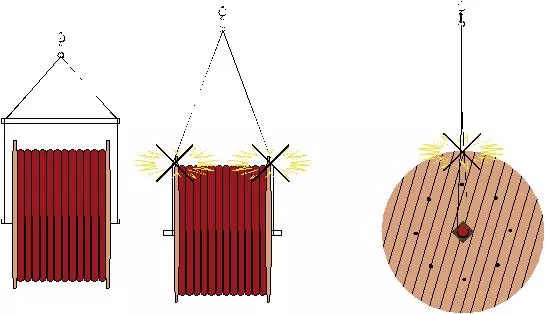
Understanding Large Wire Carrier Spools: Essential Insights for Efficient Electrical Projects
Large wire carrier spools are essential components used to store and transport various types of wire and cable. Their design allows for efficient handling and organization, especially when dealing with bulky or heavy wiring. Utilizing these spools can significantly enhance the workflow on electrical projects by minimizing downtime and improving safety. One of the primary benefits of large wire car

Top Tips for Storing and Managing Your Corrugated Wire Spools
Top Tips for Storing and Managing Your Corrugated Wire Spools Table of Contents Introduction to Corrugated Wire Spools Importance of Proper Wire Storage Best Practices for Storing Corrugated Wire Spools Ideal Storage Environment Organizing Your Wire Spools Effectively Managing Corrugated Wire Spools in the Workspace En
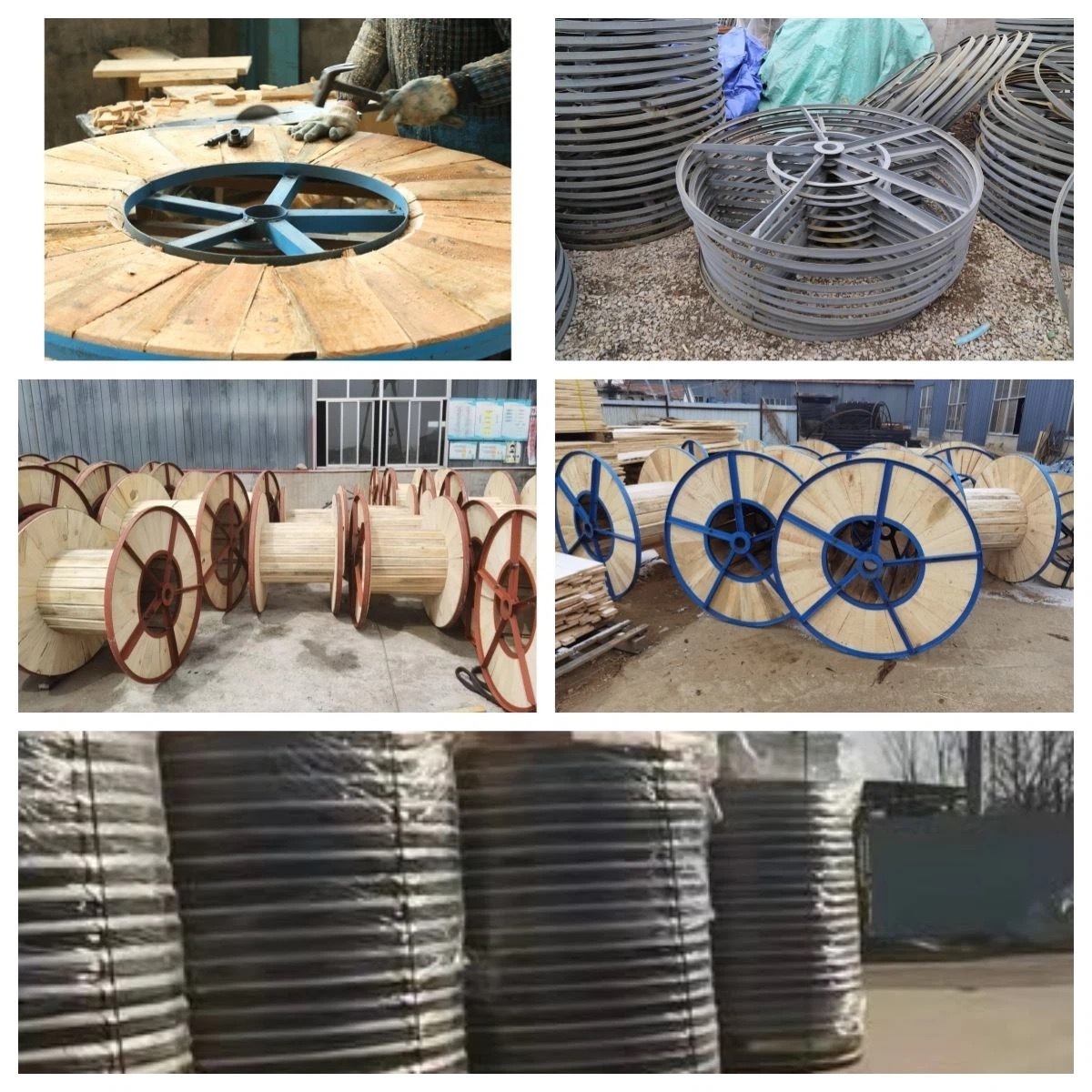
Understanding Wooden Drums for Cable Storage and Transportation
In the electrical industry, the efficient handling of cables is crucial for ensuring smooth operations and project success. One of the key components that facilitate the storage and transportation of cables is the wooden drum. These drums are specifically designed to hold various types of cables securely while providing ease of movement and accessibility. Wooden drums are typically made from high-

Maximize Efficiency with the Right Cable Drum Roller for Electrical Applications
Maximize Efficiency with the Right Cable Drum Roller Table of Contents 1. Introduction to Cable Drum Rollers 2. Types of Cable Drum Rollers 3. How to Choose the Right Cable Drum Roller 4. Features to Consider When Selecting a Cable Drum Roller 5. Installation Tips for Cable Drum Rollers 6. Maintenance and Care for Longevity 7. Safety Considerations when Using Cable Dru
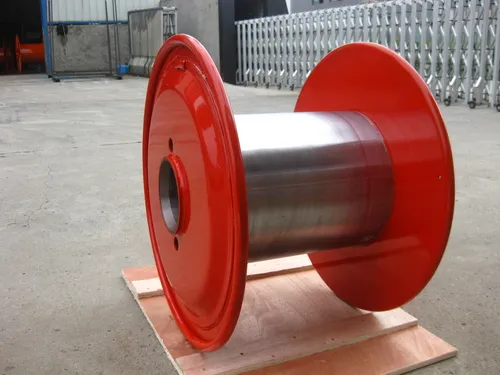
Understanding Wire Packaging Spools: Essential Insights for Electrical Professionals
Wire packaging spools play a vital role in the electrical and cable industry, serving as the primary method of organizing and transporting wires. These spools are designed to protect the integrity of the wire during storage and transportation, ensuring that it remains untangled and in optimal condition. Typically manufactured from materials such as plastic, metal, or cardboard, wire packaging spoo

Professional Cable Management Solution with welding cable reel
best welding cable reel spots provides an effective solution for maintaining organized, safe, and efficient welding operations.
Contact Us
Telephone: +86-187-6548-6789
WhatsApp: +86-139-5388-5161
E-Mail: boss@sdtsgm.com
Address: Qiujiadian industral Park, Qiujiadian Town,Taishan District, Tai'anCity, Shandong Province
Share to