Packaging services for rope, mesh, wire and cable companies worldwide.


How to Properly Store Double Layer Wire Spools: A Comprehensive Guide for Electricians and Engineers
Release time:
Aug 10,2026
How to Properly Store Double Layer Wire Spools Table of Contents Introduction to Double Layer Wire Spools The Importance of Proper Storage for Wire Spools Choosing the Right Storage Space for Wire Spools Best Conditions for Storing Double Layer Wire Spools Organizing Your Wire Spools for Easy Access Maintaining the Quality of Your Double Layer Wire Spools Common Mistakes to Avoid Wh
How to Properly Store Double Layer Wire Spools
Table of Contents
- Introduction to Double Layer Wire Spools
- The Importance of Proper Storage for Wire Spools
- Choosing the Right Storage Space for Wire Spools
- Best Conditions for Storing Double Layer Wire Spools
- Organizing Your Wire Spools for Easy Access
- Maintaining the Quality of Your Double Layer Wire Spools
- Common Mistakes to Avoid When Storing Wire Spools
- Frequently Asked Questions
- Conclusion: Best Practices for Wire Storage
Introduction to Double Layer Wire Spools
Storing double layer wire spools correctly is essential for any electrician, engineer, or contractor who regularly uses electrical cables. Double layer wire spools are designed to hold two layers of wire, which can enhance efficiency in installations and repairs. However, improper storage can lead to damage, making the wire unusable or compromising safety. This guide will take you through the best practices to ensure your double layer wire spools are stored safely and effectively.
The Importance of Proper Storage for Wire Spools
Proper storage of wire spools is crucial for several reasons:
1. **Preservation of Wire Quality**: Electrical wires are sensitive to environmental factors. Proper storage prevents deterioration caused by moisture, dust, and temperature fluctuations.
2. **Ease of Use**: When wire spools are organized and stored correctly, accessing them becomes easier and more efficient. This can save time and increase productivity on job sites.
3. **Safety**: Storing wire spools improperly can lead to accidents. A tangled or damaged spool can cause injuries or electrical hazards.
4. **Cost Efficiency**: Maintaining the condition of your wire spools ensures you get the most out of your investment. Replacing damaged wire due to poor storage can be costly.
Choosing the Right Storage Space for Wire Spools
Selecting the appropriate storage location is the first step in ensuring the longevity of double layer wire spools. Here are some factors to consider:
Indoor vs. Outdoor Storage
For optimal protection, it is advisable to store wire spools indoors. Indoor environments shield spools from weather elements like rain, snow, and extreme temperatures. If indoor storage is not an option, make sure outdoor storage areas are covered and moisture-resistant.
Temperature Control
Wire spools should preferably be stored in areas with stable temperatures. Extreme heat can cause insulation damage, while cold temperatures can make wires brittle. Aim for a storage space with a temperature range between 60°F and 80°F (15°C to 27°C).
Accessibility and Organization
Choose a storage space that allows for easy access to your wire spools. A disorganized storage area can lead to accidents and misplacement of spools. Consider using shelves or racks to keep spools off the ground, which also makes for easier retrieval.
Best Conditions for Storing Double Layer Wire Spools
Creating an optimal storage environment is critical to preserving the quality of double layer wire spools.
Humidity Control
Humidity levels should be kept low to prevent moisture from damaging the wires. Aim for a relative humidity level of around 30% to 50%. Using dehumidifiers in storage areas can help maintain these levels.
Dust Protection
Dust accumulation can lead to wire insulation degradation. Use covers or bags made from breathable materials to protect spools from dust while allowing for air circulation.
Regular Inspections
Schedule regular inspections of your stored wire spools. This allows you to identify any potential issues early, such as signs of moisture damage or wear.
Organizing Your Wire Spools for Easy Access
Proper organization of wire spools can significantly streamline your workflow.
Labeling Spools
Label each spool clearly with essential information, including wire gauge, type, and length. This helps in quickly identifying the right spool when needed.
Using Storage Racks
Invest in storage racks specifically designed for wire spools. These racks will keep your spools upright, minimizing the risk of tangling or damage.
Grouping Similar Types
Organize your spools by grouping similar types together, such as color-coded wires or different gauge sizes. This will make it easier to find what you need without rummaging through a pile.
Maintaining the Quality of Your Double Layer Wire Spools
Maintenance is key to ensuring that your wire spools remain in prime condition.
Cleaning Spools Regularly
Clean wire spools regularly to remove dust and debris. A soft cloth or a gentle brush can be used to clean the surfaces without damaging the wire.
Checking for Damage
During inspections, check spools for any signs of damage or wear. Look for fraying or cracks in the wire, which may indicate that the wire is compromised.
Proper Handling
When handling wire spools, ensure that you are using proper techniques to avoid unspooling or damaging the wire. Always support the spool when moving it and avoid dropping or sliding them on rough surfaces.
Common Mistakes to Avoid When Storing Wire Spools
To ensure optimal storage conditions, be aware of common pitfalls that can lead to damage.
Neglecting Environmental Factors
Ignoring temperature and humidity levels can lead to damage over time. Regularly monitor these conditions in your storage area.
Stacking Spools Improperly
Stacking spools on top of one another without proper support can lead to deformation and damage. Always use appropriate storage solutions designed for multiple spools.
Failure to Label
Not labeling spools can lead to confusion and inefficiencies. Always take the time to label each spool clearly.
Frequently Asked Questions
1. What is the best temperature range for storing wire spools?
The ideal temperature range for storing wire spools is between 60°F and 80°F (15°C to 27°C).
2. How can I prevent moisture damage to my wire spools?
Maintain low humidity levels in your storage area, ideally between 30% to 50%, and consider using dehumidifiers.
3. Should I store wire spools vertically or horizontally?
Wire spools should be stored vertically to prevent tangling and damage.
4. How often should I inspect my wire spools?
Regular inspections should be conducted every few months or whenever you access the stored spools.
5. Can I store wire spools outdoors?
While it's preferable to store wire spools indoors, if outdoor storage is necessary, ensure that they are covered and protected from the elements.
Conclusion: Best Practices for Wire Storage
Properly storing double layer wire spools is essential for maintaining their quality and ensuring safety in your workplace. By following best practices such as selecting the right storage location, maintaining optimal conditions, and organizing your spools effectively, you can significantly prolong the life of your wire. Implement the recommendations outlined in this guide to create a storage environment that supports efficiency, safety, and longevity.
Previous
News

How to Properly Store Double Layer Wire Spools: A Comprehensive Guide for Electricians and Engineers
How to Properly Store Double Layer Wire Spools Table of Contents Introduction to Double Layer Wire Spools The Importance of Proper Storage for Wire Spools Choosing the Right Storage Space for Wire Spools Best Conditions for Storing Double Layer Wire Spools Organizing Your Wire Spools for Easy Access Maintaining the Quality of Your Double Layer Wire Spools Common Mistakes to Avoid Wh
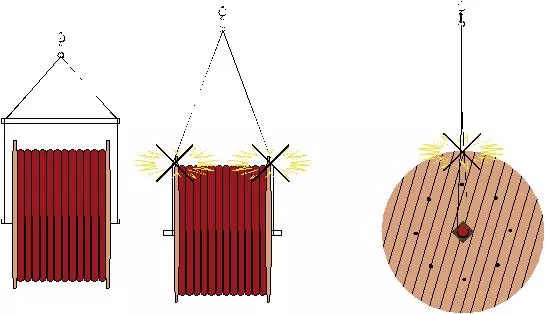
Understanding Large Wire Carrier Spools: Essential Insights for Efficient Electrical Projects
Large wire carrier spools are essential components used to store and transport various types of wire and cable. Their design allows for efficient handling and organization, especially when dealing with bulky or heavy wiring. Utilizing these spools can significantly enhance the workflow on electrical projects by minimizing downtime and improving safety. One of the primary benefits of large wire car

Top Tips for Storing and Managing Your Corrugated Wire Spools
Top Tips for Storing and Managing Your Corrugated Wire Spools Table of Contents Introduction to Corrugated Wire Spools Importance of Proper Wire Storage Best Practices for Storing Corrugated Wire Spools Ideal Storage Environment Organizing Your Wire Spools Effectively Managing Corrugated Wire Spools in the Workspace En
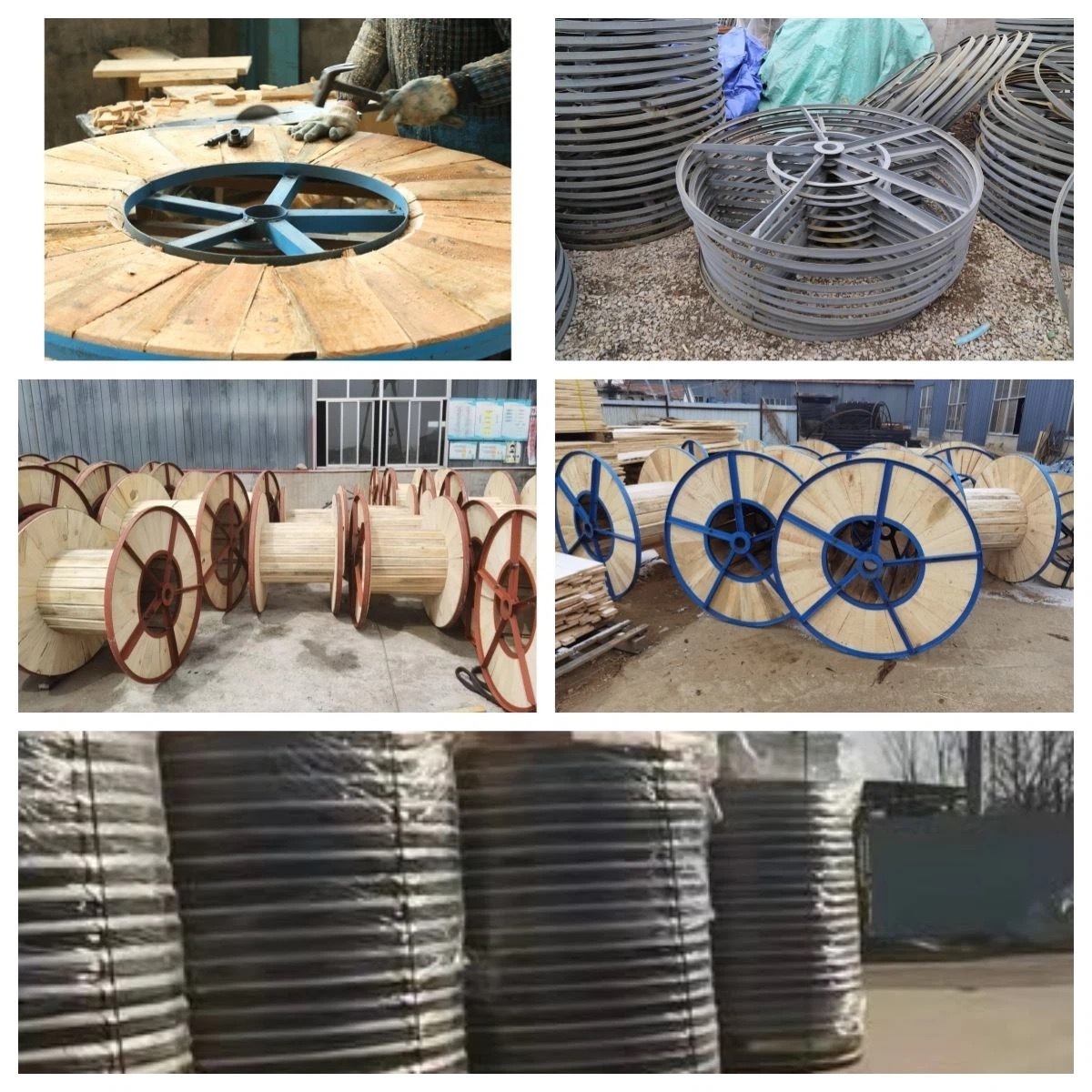
Understanding Wooden Drums for Cable Storage and Transportation
In the electrical industry, the efficient handling of cables is crucial for ensuring smooth operations and project success. One of the key components that facilitate the storage and transportation of cables is the wooden drum. These drums are specifically designed to hold various types of cables securely while providing ease of movement and accessibility. Wooden drums are typically made from high-

Maximize Efficiency with the Right Cable Drum Roller for Electrical Applications
Maximize Efficiency with the Right Cable Drum Roller Table of Contents 1. Introduction to Cable Drum Rollers 2. Types of Cable Drum Rollers 3. How to Choose the Right Cable Drum Roller 4. Features to Consider When Selecting a Cable Drum Roller 5. Installation Tips for Cable Drum Rollers 6. Maintenance and Care for Longevity 7. Safety Considerations when Using Cable Dru
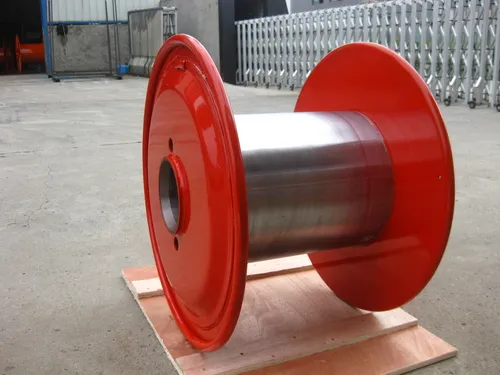
Understanding Wire Packaging Spools: Essential Insights for Electrical Professionals
Wire packaging spools play a vital role in the electrical and cable industry, serving as the primary method of organizing and transporting wires. These spools are designed to protect the integrity of the wire during storage and transportation, ensuring that it remains untangled and in optimal condition. Typically manufactured from materials such as plastic, metal, or cardboard, wire packaging spoo
Contact Us
Telephone: +86-187-6548-6789
WhatsApp: +86-139-5388-5161
E-Mail: boss@sdtsgm.com
Address: Qiujiadian industral Park, Qiujiadian Town,Taishan District, Tai'anCity, Shandong Province
Share to