Packaging services for rope, mesh, wire and cable companies worldwide.


How to Safely Operate a Cable Drum Roller for Optimal Results
Release time:
Sep 27,2026
How to Safely Operate a Cable Drum Roller for Optimal Results Understanding the Importance of a Cable Drum Roller Operating a cable drum roller effectively is crucial in the electrical and telecommunications industries. This piece of equipment is designed to facilitate the laying of cables, ensuring they are deployed efficiently and safely. The optimal use of a cable drum roller not only enhances
How to Safely Operate a Cable Drum Roller for Optimal Results
Understanding the Importance of a Cable Drum Roller
Operating a cable drum roller effectively is crucial in the electrical and telecommunications industries. This piece of equipment is designed to facilitate the laying of cables, ensuring they are deployed efficiently and safely. The optimal use of a cable drum roller not only enhances productivity but also minimizes the risks associated with cable installation.
Key Components of a Cable Drum Roller
Before diving into operational techniques, it’s essential to familiarize ourselves with the main components of a cable drum roller:
1. Frame and Structure
The frame provides stability and support for the drum. A well-constructed frame ensures that the roller can handle heavy loads while maintaining balance.
2. Drum
The drum is where the cable is wound. Its size can vary depending on the type of cable and the length required for the job.
3. Wheels
The wheels allow for mobility. They are designed to navigate various terrains, making transportation easier across job sites.
4. Brake System
A reliable brake system is crucial for controlling the drum's rotation, preventing uncontrolled cable deployment.
Pre-Operational Safety Checks
Before operating a cable drum roller, performing thorough safety checks is mandatory. This ensures that both the operator and the equipment are prepared for the tasks ahead.
1. Inspect the Equipment
Conduct a visual inspection of the roller. Look for any signs of wear, damage, or loose components. Pay close attention to the brake system and wheel integrity.
2. Verify Load Capacity
Always check the load capacity of the roller. Overloading can lead to mechanical failure and safety hazards.
3. Ensure Adequate Training
Only trained personnel should operate the cable drum roller. Ensure that operators understand all safety protocols and operational procedures.
Setting Up the Cable Drum Roller
Correct setup is vital for successful operation. An improper setup can lead to accidents and inefficiencies during the cable-laying process.
1. Choose the Right Location
Select a flat, stable area to set up the cable drum roller. This minimizes the risk of tipping or rolling away during operation.
2. Secure the Drum
Position the cable drum securely on the roller, ensuring it is balanced and stable before proceeding.
3. Lock the Brake
Engage the brake system to prevent unintended movement of the drum during operation.
Operating the Cable Drum Roller Safely
Now that we have prepared the equipment, it's time to learn how to operate the cable drum roller safely.
1. Adjusting the Roller for Cable Size
Ensure that the roller is adjusted according to the size of the cable drum. This includes setting the appropriate tension on the cable to prevent slack or excessive tightness.
2. Maintaining Control During Operation
Always keep a firm grip on the control handles. Smooth and steady movements are essential for maintaining control while deploying the cable.
3. Monitoring Cable Deployment
As the cable is being laid, continuously monitor its deployment. Look for any irregularities, such as kinks or twists, and address them immediately to avoid complications.
Best Practices for Cable Drum Roller Operation
Implementing best practices can significantly improve the safety and efficiency of cable deployment.
1. Use a Spotter
Having a spotter assist during operation can be invaluable. They can help communicate any issues that arise and provide an extra set of eyes on the cable deployment process.
2. Keep the Work Area Clear
Ensure that the area around the cable drum roller is clear of obstacles and personnel. This minimizes the risk of accidents and allows for smooth operations.
3. Follow Manufacturer Guidelines
Always refer to the manufacturer’s operational manual for specific instructions on using the cable drum roller. This ensures that you are following the safest and most effective procedures.
Post-Operational Safety Measures
Once the cable deployment is complete, there are several steps to take to ensure safety and prepare for future operations.
1. Inspect the Equipment Again
Conduct a post-operation inspection of the cable drum roller. Look for any signs of damage that may have occurred during use.
2. Store Equipment Properly
When not in use, store the cable drum roller in a designated area, preferably covered to protect it from the elements.
3. Train on Lessons Learned
Discuss any challenges encountered during the operation with your team. Share lessons learned to improve future operations.
Common Mistakes to Avoid When Operating a Cable Drum Roller
Understanding what not to do is just as crucial as knowing the right procedures.
1. Ignoring Safety Protocols
Never overlook safety protocols, even when under time pressure. Safety should always be a priority.
2. Overloading the Roller
Always adhere to the specified load limits. Overloading can lead to mechanical failure and safety risks.
3. Rushing the Operation
Take your time to ensure everything is set up and monitored correctly. Rushing can lead to mistakes and accidents.
FAQs About Cable Drum Roller Operation
1. What is the weight limit for a cable drum roller?
The weight limit varies by model, but it’s essential to consult the manufacturer's specifications for accurate limits.
2. Can anyone operate a cable drum roller?
Only trained and authorized personnel should operate a cable drum roller to ensure safety and compliance with operational standards.
3. What types of cables can be laid using a cable drum roller?
Cable drum rollers are versatile and can be used for various types of cables, including electrical, telecommunications, and fiber optic cables.
4. How often should cable drum rollers be inspected?
Regular inspections should be conducted before and after every use, along with a more thorough inspection at specified intervals according to the manufacturer's guidelines.
5. Is it necessary to have a spotter during operation?
While not always mandatory, having a spotter is highly recommended to improve safety and ensure smooth operation.
Conclusion
Operating a cable drum roller safely is crucial for achieving optimal results in cable deployment. By understanding the equipment's components, performing thorough safety checks, and adhering to best practices, operators can ensure both efficiency and safety. Learning from both successes and challenges fosters a culture of safety and continuous improvement. The proper use of a cable drum roller not only enhances productivity but also contributes to the overall success and safety of electrical and telecommunications projects. Implement these guidelines and watch your cable operations transform for the better.
News
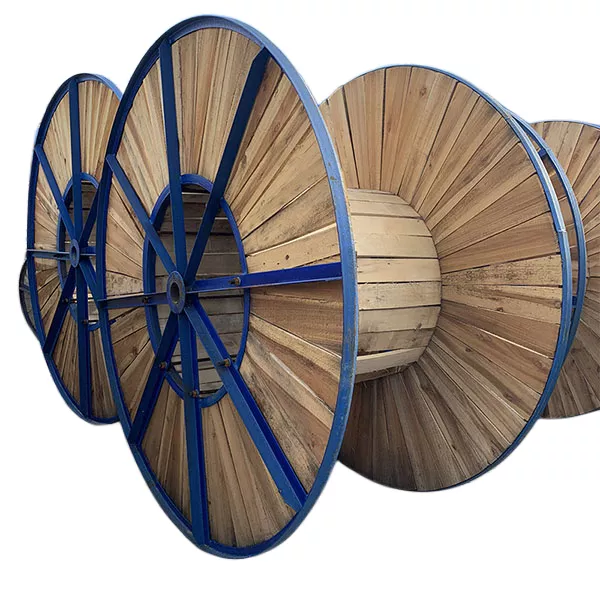
Understanding the Benefits of Using Wooden Drums for Cable Storage
Wooden drums for cables have increasingly become a popular choice in various industrial applications, especially in the electrical and cable sector. These drums serve an essential role in the storage, transportation, and organization of electrical cables, ensuring that they remain in optimal condition until they are ready to be deployed. Understanding the benefits of using wooden drums can help pr
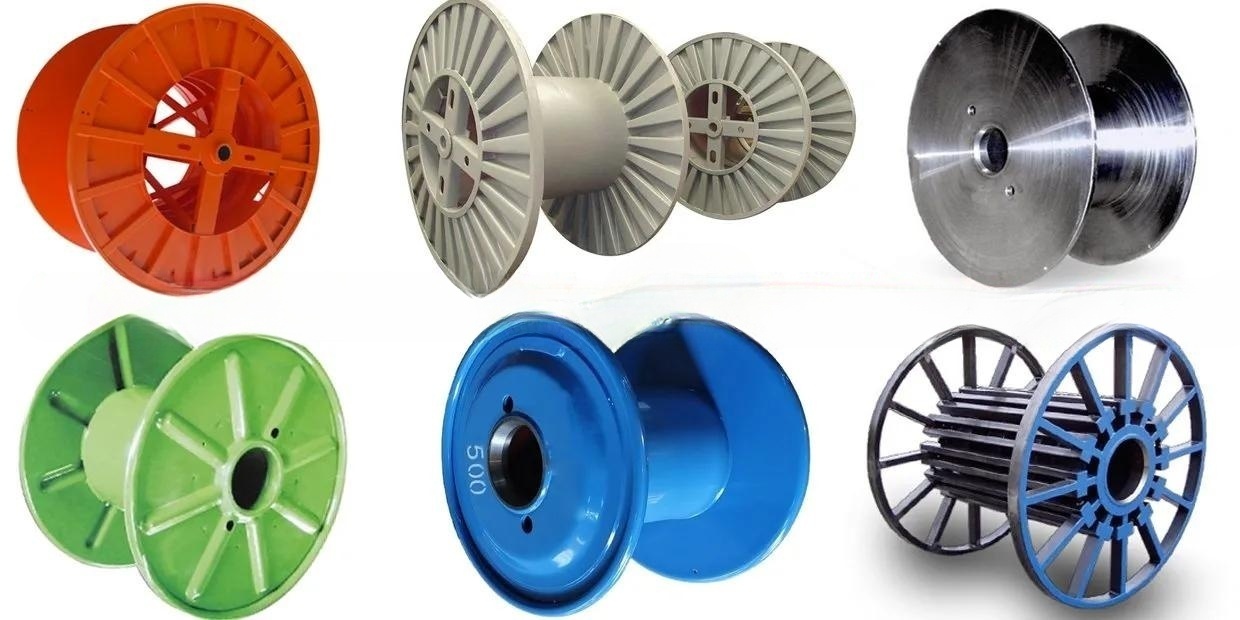
How to Safely Operate a Cable Drum Roller for Optimal Results
How to Safely Operate a Cable Drum Roller for Optimal Results Understanding the Importance of a Cable Drum Roller Operating a cable drum roller effectively is crucial in the electrical and telecommunications industries. This piece of equipment is designed to facilitate the laying of cables, ensuring they are deployed efficiently and safely. The optimal use of a cable drum roller not only enhances
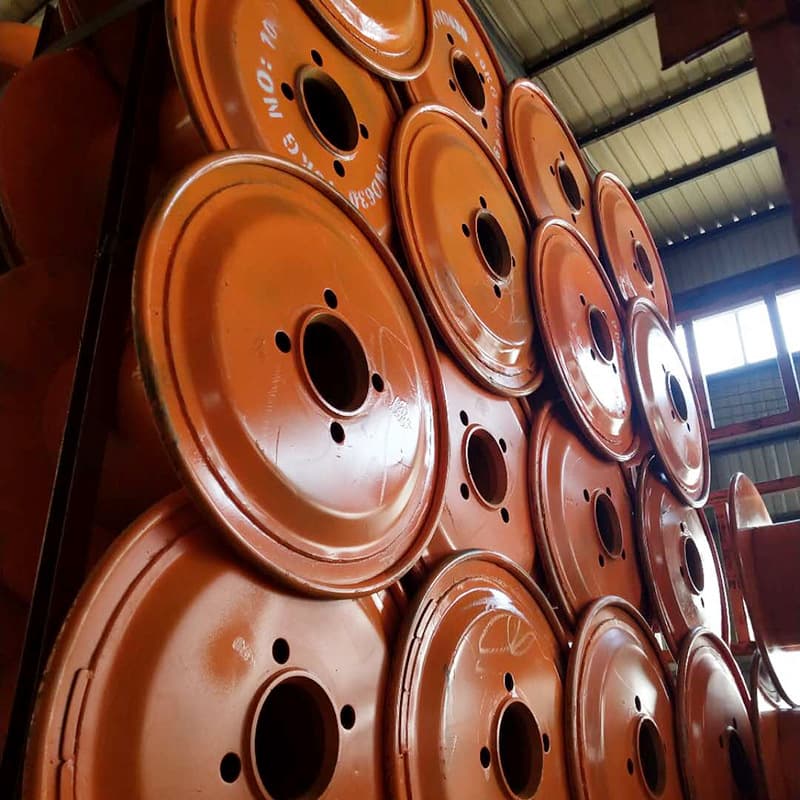
The Essential Guide to Wire Packaging Spools in the Electrical Industry
Wire packaging spools are critical components in the electrical industry, particularly for the management of wires and cables. They serve as a means to efficiently package, store, and transport various types of electrical conductors, ensuring that they remain untangled and protected from damage during handling and shipping. Understanding the different types of wire packaging spools and their appli
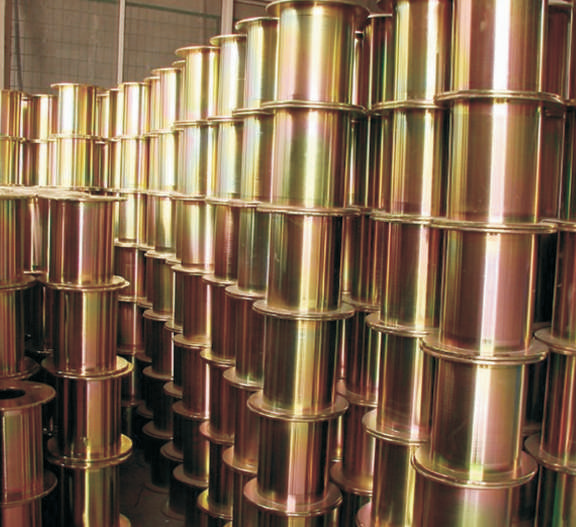
Flat Wire Spools: A Smart Choice for Efficient Wire Distribution
Flat Wire Spools: A Smart Choice for Efficient Wire Distribution In the world of electrical engineering and wire distribution, the choice of materials and methods can significantly impact efficiency, cost, and performance. Among the various options available, **flat wire spools** have emerged as a smart choice for professionals looking to optimize their wire distribution processes. This article ex

Understanding Fiber Cable Spools: Essential Insights for Professionals
Fiber cable spools play a vital role in the transportation, storage, and deployment of fiber optic cables. These spools are designed to ensure that the cables remain tangle-free and protected from environmental factors that could potentially damage them. Understanding the specifications and functions of fiber cable spools is essential for electrical professionals involved in the installation and m
Top 10 Creative Ways to Use Wooden Cable Spools at Home
Top 10 Creative Ways to Use Wooden Cable Spools at Home When it comes to home decor and functionality, **wooden cable spools** are an underrated treasure. Often discarded after their initial use, these spools can be transformed into stunning pieces that add both style and utility to your home. In this article, we delve into the **top 10 creative ways** to utilize wooden cable spools, allowing you
Contact Us
Telephone: +86-187-6548-6789
WhatsApp: +86-139-5388-5161
E-Mail: boss@sdtsgm.com
Address: Qiujiadian industral Park, Qiujiadian Town,Taishan District, Tai'anCity, Shandong Province
Share to