Packaging services for rope, mesh, wire and cable companies worldwide.


What to Look for in High-Quality Flat Wire Spools: A Comprehensive Guide
Release time:
Aug 22,2026
What to Look for in High-Quality Flat Wire Spools Understanding Flat Wire Spools Flat wire spools are a crucial aspect of the electrical wiring industry, often used in various applications ranging from household wiring to industrial settings. These spools offer unique benefits such as flexibility, ease of installation, and efficient use of space. In this article, we will delve into the key fea
What to Look for in High-Quality Flat Wire Spools
Understanding Flat Wire Spools
Flat wire spools are a crucial aspect of the electrical wiring industry, often used in various applications ranging from household wiring to industrial settings. These spools offer unique benefits such as flexibility, ease of installation, and efficient use of space. In this article, we will delve into the key features that signify a high-quality flat wire spool, ensuring you choose the best option for your needs.
The Importance of Material in Flat Wire Spools
When selecting flat wire spools, the material plays a pivotal role in determining the quality and durability of the wire. Here are the primary materials used:
Copper vs. Aluminum: Which is Better?
Copper is widely preferred due to its superior conductivity, making it ideal for electrical applications. It is also more resistant to corrosion. However, aluminum is lighter and often more cost-effective, making it suitable for specific applications where weight is a concern. Understanding the differences can help in making an informed decision.
Conductivity and Performance
The electrical conductivity of the material directly impacts the performance of the wire. High-quality copper wire spools typically exhibit a conductivity rating of 100% IACS (International Annealed Copper Standard), ensuring optimal performance in electrical systems.
Wire Thickness and Gauge: What You Need to Know
The thickness of the wire, often measured in gauge, is another critical factor to consider. The American Wire Gauge (AWG) system is commonly used to specify wire thickness.
Choosing the Right Gauge for Your Application
A lower gauge number indicates a thicker wire, which can carry more current. For heavy-duty applications, a thicker gauge (like 10 AWG) is advisable, whereas lighter applications may only require 16 AWG. Assessing the current requirements of your project will guide you in selecting the appropriate gauge.
Impact on Flexibility and Installation
Thicker wires tend to be less flexible, which can complicate installation in tight spaces. It’s essential to strike a balance between current-carrying capacity and flexibility based on your project needs.
Insulation Types and Their Significance
Insulation protects the wire from environmental factors and electrical interference. The quality of insulation can greatly affect the wire's longevity and performance.
Common Types of Insulation Materials
1. **PVC (Polyvinyl Chloride)**: Commonly used for general-purpose applications; offers good resistance to moisture and chemicals.
2. **XLPE (Cross-Linked Polyethylene)**: Known for its higher temperature and chemical resistance; ideal for industrial settings.
3. **TPE (Thermoplastic Elastomer)**: Provides flexibility and durability, suitable for dynamic applications.
Temperature Ratings and Safety Standards
Each insulation type comes with specific temperature ratings. Ensure that the wire is rated for the temperatures it will encounter in use. Compliance with relevant safety standards, such as UL (Underwriters Laboratories), can also be a good indicator of quality.
Length and Configuration of Flat Wire Spools
The length of the wire on a spool and its configuration can significantly affect usability.
Standard Lengths vs. Custom Lengths
Standard lengths are typically available, offering convenience for common projects. However, for specialized applications, custom spool lengths may be necessary to minimize waste and improve efficiency. Always verify the length before purchase.
Spool Configuration and Ease of Use
Consider the design of the spool itself. A well-designed spool will allow for easy unwinding without tangling, which is essential for efficient installation and use.
Applications of Flat Wire Spools
Flat wire spools are utilized across a diverse range of applications. Understanding where and how they are used can guide your selection process.
Common Uses in Residential Settings
In residential wiring, flat wire spools are often used for lighting fixtures, appliance connections, and low-voltage applications. Their flexibility and ease of installation make them ideal for home projects.
Industrial and Commercial Applications
In commercial and industrial settings, flat wire spools are commonly found in machinery, control systems, and data transmission. The choice of material and insulation type is crucial for ensuring reliability in demanding environments.
Key Manufacturers and Brands of Flat Wire Spools
Choosing a reputable manufacturer can greatly influence the quality of the flat wire spool. Here are some notable brands to consider:
Industry Leaders in Electrical Wire Manufacturing
1. **Southwire**: Renowned for its high-quality copper and aluminum wire products suitable for various applications.
2. **General Cable**: Offers a wide variety of wire solutions, known for innovation and superior insulation technology.
3. **Belden**: Specializes in data transmission solutions and high-performance cables.
Researching Manufacturer Reliability
Before making a purchase, it’s recommended to research manufacturers for customer reviews, product warranties, and certifications. This information can provide insight into the quality and reliability of their products.
Cost Considerations When Buying Flat Wire Spools
Price is often a deciding factor when purchasing flat wire spools. However, it’s essential to consider value over cost.
Balancing Quality with Budget
While it might be tempting to opt for the cheapest option, investing in high-quality wire can save you money in the long term by reducing the likelihood of failures and replacements.
Understanding Market Pricing Trends
Stay informed about market pricing trends; prices can fluctuate based on material availability and demand. Regularly comparing prices from different suppliers can help you secure the best deal.
Sustainability and Environmental Considerations
With growing awareness regarding environmental issues, it's vital to consider the sustainability of your wire products.
Eco-Friendly Options in Flat Wire Spools
Look for manufacturers that prioritize sustainability, offering products made from recycled materials or employing eco-friendly manufacturing processes. Certifications such as RoHS (Restriction of Hazardous Substances) can indicate compliance with environmental standards.
The Future of Sustainable Wiring Solutions
The demand for sustainable electrical solutions is on the rise. Innovations in wire technology are enabling the production of more environmentally friendly options, ensuring that we meet our electrical needs without compromising the planet.
FAQs About High-Quality Flat Wire Spools
1. What is the best material for flat wire spools?
Copper is generally considered the best material for electrical applications due to its high conductivity and resistance to corrosion, though aluminum is a lighter, more cost-effective alternative.
2. How do I determine the appropriate gauge for my wire?
The gauge needed depends on the current requirements of your project. Lower gauge numbers indicate thicker wires that can handle higher current loads.
3. Why is insulation important for flat wire spools?
Insulation protects against environmental factors, prevents electrical interference, and ensures safety by preventing short circuits.
4. Can I use flat wire in outdoor applications?
Yes, but ensure you select wire with appropriate insulation rated for outdoor use, such as UV-resistant materials.
5. How do I maintain my flat wire spools?
Store spools in a dry, cool place away from direct sunlight. Regularly check for wear and tear, especially if the wire has been exposed to harsh conditions.
Conclusion: Making Informed Choices for Your Electrical Needs
Choosing high-quality flat wire spools is essential for ensuring the safety, efficiency, and reliability of your electrical projects. By considering factors such as material, thickness, insulation, and the manufacturer, you can make informed decisions that meet your specific needs. Whether you are working on a residential project or a larger industrial application, understanding these elements will empower you to select the best flat wire spools available, contributing to the success and safety of your electrical installations.
News
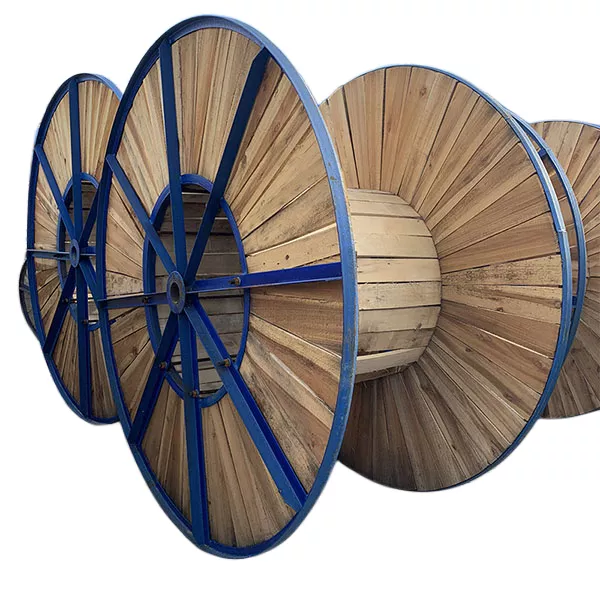
Understanding the Benefits of Using Wooden Drums for Cable Storage
Wooden drums for cables have increasingly become a popular choice in various industrial applications, especially in the electrical and cable sector. These drums serve an essential role in the storage, transportation, and organization of electrical cables, ensuring that they remain in optimal condition until they are ready to be deployed. Understanding the benefits of using wooden drums can help pr
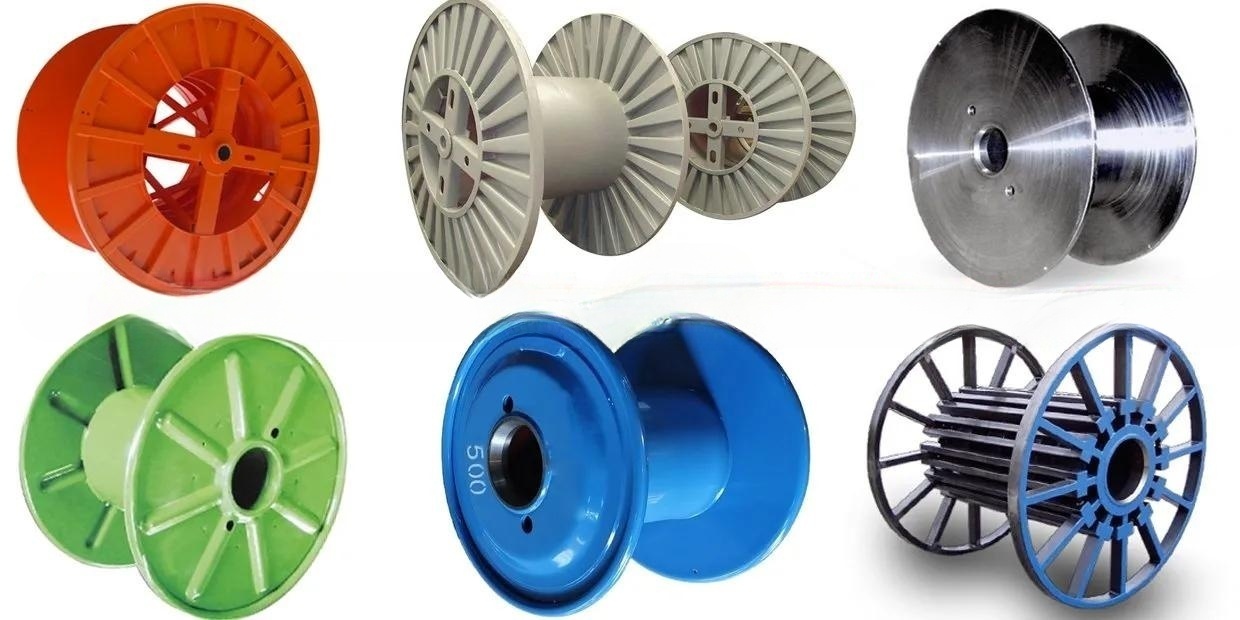
How to Safely Operate a Cable Drum Roller for Optimal Results
How to Safely Operate a Cable Drum Roller for Optimal Results Understanding the Importance of a Cable Drum Roller Operating a cable drum roller effectively is crucial in the electrical and telecommunications industries. This piece of equipment is designed to facilitate the laying of cables, ensuring they are deployed efficiently and safely. The optimal use of a cable drum roller not only enhances
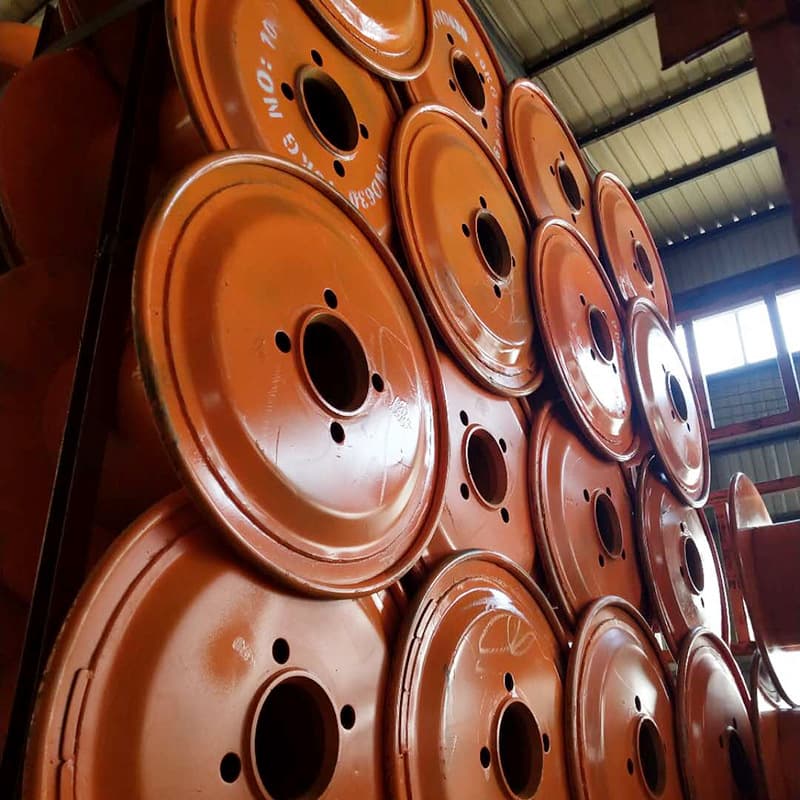
The Essential Guide to Wire Packaging Spools in the Electrical Industry
Wire packaging spools are critical components in the electrical industry, particularly for the management of wires and cables. They serve as a means to efficiently package, store, and transport various types of electrical conductors, ensuring that they remain untangled and protected from damage during handling and shipping. Understanding the different types of wire packaging spools and their appli
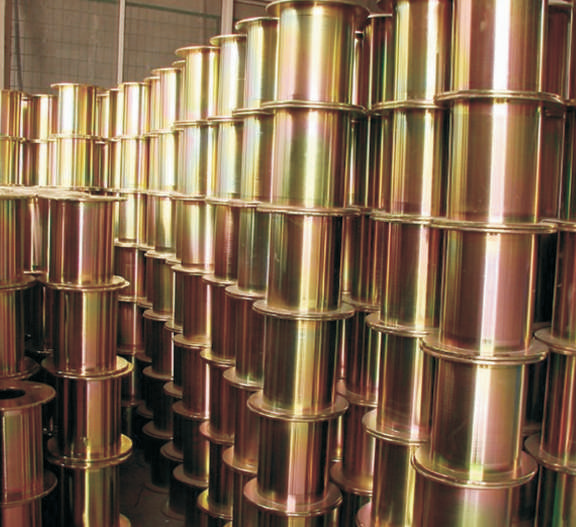
Flat Wire Spools: A Smart Choice for Efficient Wire Distribution
Flat Wire Spools: A Smart Choice for Efficient Wire Distribution In the world of electrical engineering and wire distribution, the choice of materials and methods can significantly impact efficiency, cost, and performance. Among the various options available, **flat wire spools** have emerged as a smart choice for professionals looking to optimize their wire distribution processes. This article ex

Understanding Fiber Cable Spools: Essential Insights for Professionals
Fiber cable spools play a vital role in the transportation, storage, and deployment of fiber optic cables. These spools are designed to ensure that the cables remain tangle-free and protected from environmental factors that could potentially damage them. Understanding the specifications and functions of fiber cable spools is essential for electrical professionals involved in the installation and m
Top 10 Creative Ways to Use Wooden Cable Spools at Home
Top 10 Creative Ways to Use Wooden Cable Spools at Home When it comes to home decor and functionality, **wooden cable spools** are an underrated treasure. Often discarded after their initial use, these spools can be transformed into stunning pieces that add both style and utility to your home. In this article, we delve into the **top 10 creative ways** to utilize wooden cable spools, allowing you
Contact Us
Telephone: +86-187-6548-6789
WhatsApp: +86-139-5388-5161
E-Mail: boss@sdtsgm.com
Address: Qiujiadian industral Park, Qiujiadian Town,Taishan District, Tai'anCity, Shandong Province
Share to